Are you constantly missing shots in Free Fire? Do you feel like your crosshair is either too slow to track enemies or too fast to control? You’re not alone. Finding the right sensitivity is one of the most important aspects of improving your aim, and it’s a pain to get right. This guide is for every Free Fire player—from beginners who just unlocked ranked to veterans who want to tighten their settings. By the end, you’ll have a tested sensitivity that feels natural and helps you win more gunfights.
We’re going to walk you through a simple, repeatable testing method. You’ll start in the Training Ground, make small adjustments, and then verify in real matches. No theory, just practical steps that work on any device. Let’s dive in.
What You’ll Need
- Free Fire installed on your device
- Access to the Training Ground (free for everyone)
- 10–20 minutes of uninterrupted time
- A notebook or notes app to record your settings
Step 1: Enter the Training Ground
Launch Free Fire and go to the Training Ground. This is your safe space to test without pressure. Make sure you have a weapon—preferably an M4A1 or AK47 since those are common in matches. Stand at a distance from the target dummies where you’d normally engage enemies.
Step 2: Reset to Default Sensitivity
Before testing, reset your sensitivity to default. You can do this in the Settings > Sensitivity > Reset. This gives you a clean baseline. From here, we’ll make controlled adjustments. If you already have a starting point you like, you can skip this step, but starting from default ensures consistency. For reference, you can check out our guide to perfect sensitivity if you want to skip the baseline.
Step 3: Test General Sensitivity (No Scope)
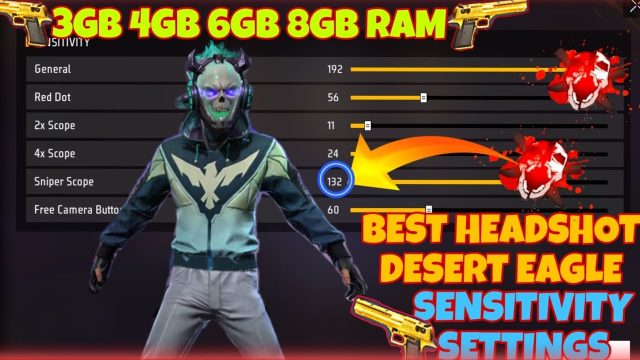
Start with the General sensitivity slider. Aim at a dummy and try to track it while strafing left and right. If you overshoot, lower the value. If you can’t keep up, increase it. The goal is to have smooth, controlled movement without jitter. Record the value that feels best. For example, if you’re a fast player, you might want a slightly higher value, but don’t go overboard.
Step 4: Test Red Dot and Scope Sensitivity
Now equip a Red Dot sight and repeat the tracking test. Scope sensitivity should be a bit lower than General for precision. Use the same method: adjust until you can smoothly aim at heads without overshooting. For a no recoil sensitivity setup, you might need to fine-tune these values further. Write down your Red Dot setting.
Step 5: Test Gyroscope Sensitivity (If You Use Gyro)
If you play with gyroscope enabled, now is the time to test it. Go to Settings > Sensitivity > Gyroscope. Tilt your phone to aim. You want the crosshair to move naturally with your physical movement. A common mistake is setting gyro too high—start low (around 5–10) and gradually increase. For more details, see our guide on gyro sensitivity. Record your gyro values.
Step 6: Fine-Tune with Real Matches
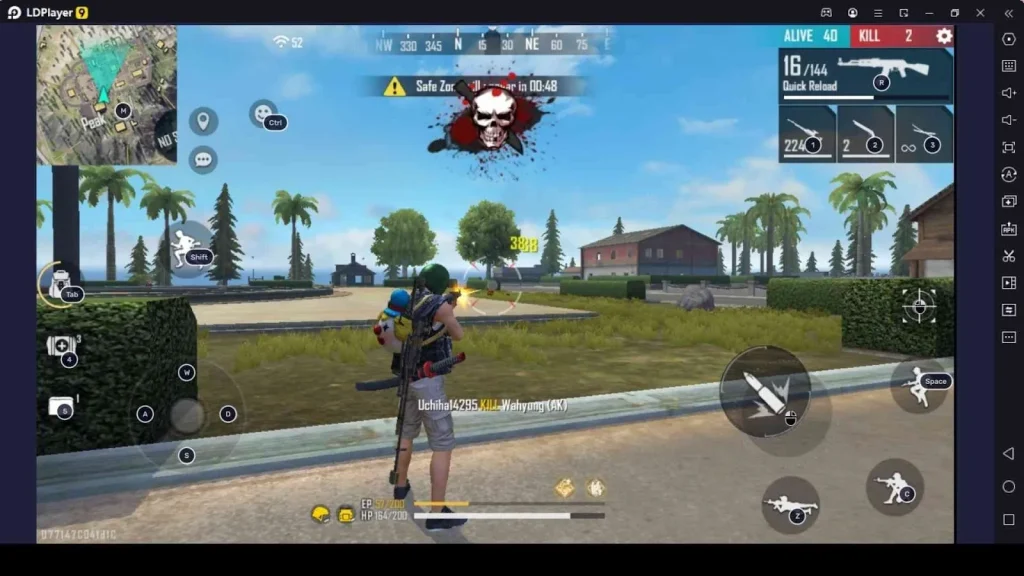
Your testing in Training Ground is only half the battle. Play a few Classic or Clash Squad matches with your new settings. Pay attention to how you aim in different scenarios: long range, close range, and while moving. If you feel something is off, go back and adjust one slider at a time. Remember, your custom sensitivity settings should evolve with your playstyle. Also consider trying auto headshot sensitivity if you’re aggressive with headshots.
Common Pitfalls
- Changing too many settings at once – you won’t know what worked. Adjust one slider per test session.
- Testing only in Training Ground – real matches involve strafing enemies, nade shakes, and network lag. Always verify in live games.
- Ignoring device performance – if your phone lags, high sensitivity will feel even worse. Lower graphics or adjust for stability first.
Where to Next
Now that you have your tested sensitivity, you can explore more advanced topics. Check out our guides on perfect sensitivity for a deeper dive, or learn how to build a custom sensitivity settings profile. If you’re a gyro user, our gyro sensitivity guide has extra tips. For those wanting zero recoil, the no recoil sensitivity guide is a must-read. And if you’re an aggressive player, the fast players guide and auto headshot sensitivity will help you push your limits.