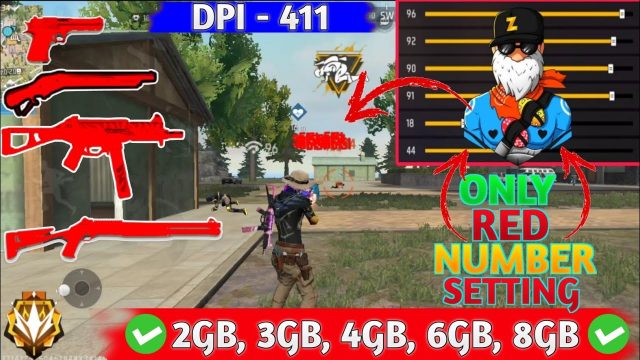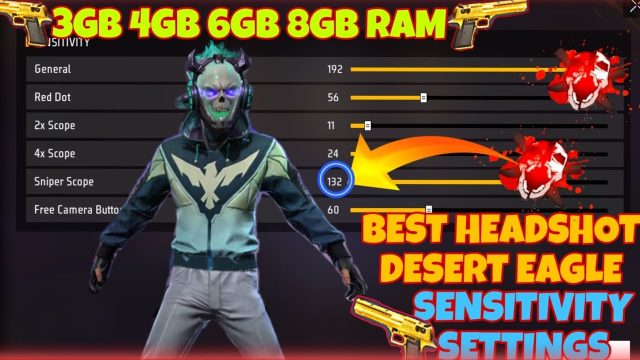
Are you tired of missing shots in Free Fire? Whether you’re a newbie or an experienced player, your sensitivity settings can make or break your gameplay. In this guide, I’ll walk you through a simple, tested method to find the perfect sensitivity that suits your playstyle and device. By the end, you’ll have custom settings that feel natural, improve your aim, and reduce recoil significantly.
This isn’t about copying pro settings – everyone’s thumbs and device response are different. Instead, we’ll use a practical approach: start from scratch, adjust step by step, and test in the training ground until everything clicks. Ready to dominate? Let’s dive in.
What You’ll Need
- Free Fire app installed (latest version)
- A stable internet connection
- A notepad or notes app to write down your settings
- Patience – finding perfect sensitivity takes 15–30 minutes
- Optional: a gyroscope-enabled device for extra precision
Step 1: Reset Your Sensitivity to Default
Before tweaking, clear out any old settings. Go to Settings > Sensitivity and tap ‘Reset’. This gives you a clean slate. Default values are balanced but rarely optimal for individuals.
Step 2: Adjust General Sensitivity
General sensitivity controls how fast your view moves when you swipe anywhere on the screen. Start at 85–95 if you’re a two-finger player, or 75–85 if you use more fingers. If you prefer fast reflexes for close combat, go higher. For slower, more stable aim, go lower. Write down your starting value.

Step 3: Tune Red Dot and Scope Sensitivities
Red Dot Aim: set this 10–15% lower than general for better control. 2x Scope: same as general or slightly lower. 4x Scope: 30–40% lower than general to avoid over-aiming at distance. Sniper Scope: keep low (around 10–20) for steady shots. Free Fire scope sensitivity is crucial for long-range fights.
Step 4: Test in Training Ground
Head to the training ground. Pick a weapon you use often (like M4 or AK). Shoot at stationary targets first – if your crosshair shakes too much, lower the sensitivity. Then track moving targets. Adjust in increments of 5 until you can smoothly follow a running bot. This step is where you refine your no recoil sensitivity and find the sweet spot for consistent aim.
Step 5: Fine-Tune for Weapons and Playstyle
Different weapons need different feel. For SMGs and shotguns (close range), you might want higher sensitivity – check our close range sensitivity guide. For ARs at medium range, medium range sensitivity works well. If you play aggressively, try fast players sensitivity. For steady spraying, refer to stable sensitivity settings. Write down weapon-specific tweaks.
Step 6: Optional – Enable Gyroscope
If your phone supports gyro, turn it on in settings. Gyro helps with micro-adjustments without moving your thumbs. Start with gyro sensitivity at 30–40 for general and 20–30 for scopes. Tilt your phone to fine-tune aim – it takes practice but greatly improves accuracy. For a dedicated guide, see our custom sensitivity settings for gyro users.
Common Pitfalls
- Copying pro settings blindly – their device and playstyle differ. Always adjust to your feel.
- Changing too many values at once – tweak one slider, test, then move to the next. Otherwise you won’t know what works.
- Ignoring device performance – low-end phones may lag with high sensitivity. Keep settings moderate for stable frames.
Where to Next
You’ve got your perfect sensitivity! Now practice in ranked matches to build muscle memory. For more depth, check out our guides on no recoil sensitivity and medium range sensitivity. Also explore our tutorials on weapon mastery and movement. Happy hunting!