If your aim in Free Fire feels like you’re fighting the controls instead of the enemy, you’re not alone. Sensitivity settings can make or break your gameplay—too high and you’ll overshoot, too low and you’ll lag behind. This guide is for anyone who wants a stable, repeatable setup without the guesswork. By the end, you’ll have a personalized sensitivity profile that keeps your crosshair exactly where you need it, whether you’re spraying an SMG at close range or tapping a sniper at long distance.
We’ll walk through five concrete steps: resetting to defaults, adjusting camera and scope sensitivities, fine-tuning gyroscope if you use it, and testing in a real match. No magic numbers—just a process that adapts to your device and playstyle. Let’s build that consistent aim.
What You’ll Need
- Your main Free Fire device (phone or tablet) with the game installed.
- Access to the in-game settings menu (the gear icon on the lobby screen).
- A few minutes in Free Fire’s practice range or a Clash Squad match.
- Patience to test and tweak—stable sensitivity isn’t a one-click fix.
Step 1: Reset to Default Sensitivity
Before making any changes, start fresh. Go to Settings → Sensitivity and tap the “Reset” button (usually a small arrow or circular icon). This clears any previous adjustments that might be interfering. If you’ve tweaked things before, this is your clean slate. For a deeper dive into baseline numbers, check the complete free fire sensitivity settings guide.
Step 2: Set Camera Sensitivity for Stable Aim
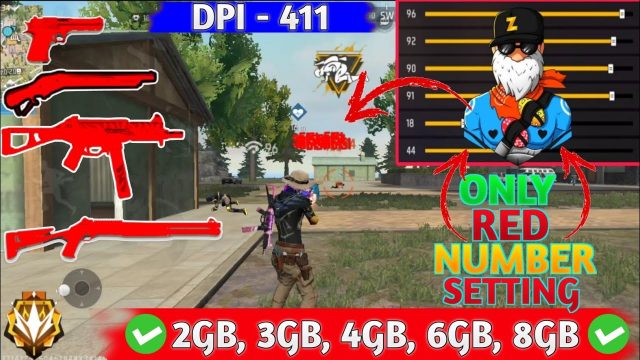
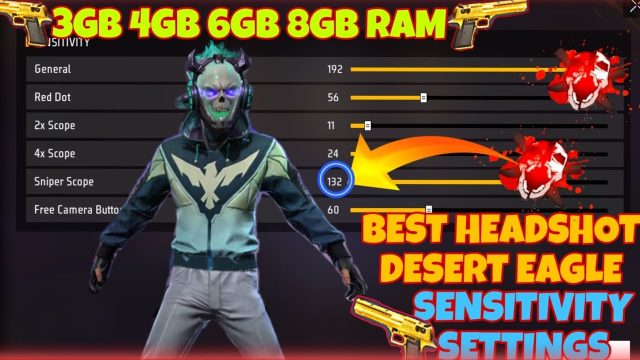
Camera sensitivity controls how fast your view moves when you drag on the screen. For stability, lower is better—but not so low that you can’t track enemies. Start with a General sensitivity around 80-90 (out of 100) for most mid-range fights. Then adjust Red Dot (90-95), 2x Scope (85-90), and 4x Scope (75-85). The key is to keep the numbers close so your muscle memory stays consistent. For a reference point, the best free fire sensitivity settings for android often fall in this range.
Step 3: Adjust Scope Sensitivity for Precise Long-Range Shots
Scope sensitivity affects how much you move when using a scope. High scope sensitivity can cause overcorrection, especially with AWM or Dragunov. Set all scope sensitivities between 70-85 as a starting point. If you use a sniper often, lower the 6x and 8x to around 60-70 for more stable aim. Remember, the goal is smooth recoil control—check our free fire sensitivity settings for smooth recoil for more tweaks.
Step 4: Fine-Tune Gyroscope Sensitivity (Optional)
If your device has a gyroscope, you can use it for micro-adjustments. Enable it in settings and set the gyro sensitivity to 50-70% of your normal camera sensitivity. This lets you aim by tilting your phone instead of dragging. Many competitive players rely on gyro for stability—see the free fire max sensitivity settings with gyro guide for advanced setups.
Step 5: Test in Clash Squad and Tweak
No theory beats real practice. Jump into a Clash Squad match (or the training ground) and play a few rounds with your new settings. Pay attention to how your crosshair behaves during spray transfers and quick flicks. If you’re overshooting, lower sensitivity by 3-5 points; if you’re under-tracking, raise it slightly. Each player’s grip and device touch response vary, so trust your feel. After major game updates, sensitivity sometimes resets—our free fire sensitivity settings after update guide helps adjust quickly.
Common Pitfalls
- Copying pro sensitivities blindly: Pros often use extreme values for specific playstyles. What works for a tournament player might be too twitchy for stable aim. Always base your settings off your own device and grip.
- Ignoring dead zone: A high dead zone can make your aim feel sluggish even with correct sensitivity. Set it to 10-15 for a balance between responsiveness and accidental movement.
- Not accounting for device performance: Lower-end phones may drop frames with high sensitivity. If you notice stuttering, lower the graphics and keep sensitivity moderate. For device-specific recommendations, see competitive free fire sensitivity settings.
Where to Next
Stability is just one piece of the puzzle. Once your sensitivity feels solid, explore other aspects like HUD layout, key mapping, and map awareness. The best free fire sensitivity settings for android guide can give you a device-tested baseline to compare against. Keep tweaking, keep practicing, and soon that stable aim will become second nature.