If you’ve been struggling with your aim in Free Fire or getting demolished by enemies who seem to lock onto you instantly, the culprit is likely your sensitivity settings. Whether you’re a newbie fresh out of the tutorial or a seasoned player stuck at Heroic tier, tweaking your sensitivity can make a world of difference. In this guide, I’ll walk you through the recommended Free Fire sensitivity settings for most devices and playstyles, so by the end you’ll have a solid baseline to build on.
We’ll cover everything from general sensitivity to scope adjustments and even gyroscope settings if your phone supports it. I’ll also share some tips from the pros and point you to tools like a free sensitivity tester to fine-tune your setup. Let’s dive in.
What You’ll Need
- Free Fire installed on your device
- A stable internet connection
- Access to the Free Fire training ground (play a training match or use the practice range)
- At least 15 minutes of uninterrupted time
- Patience – you’ll need to test and adjust multiple times
Step 1: Understand Sensitivity Basics
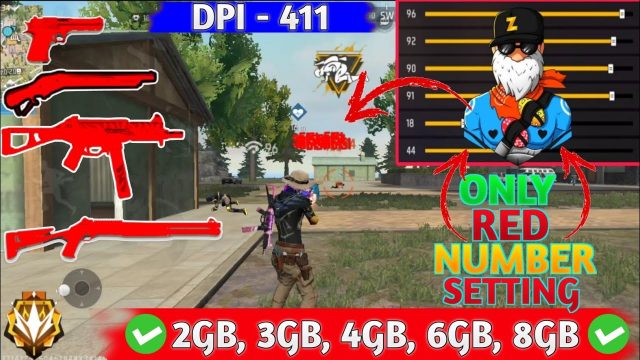
Before changing anything, you need to know what each sensitivity slider controls. In Free Fire, you have General, Red Dot, 2x Scope, 4x Scope, and so on. General sensitivity affects your normal camera movement when you’re not scoped. Higher numbers mean faster turning speed, but can make aiming jittery. Lower numbers give you more control but slower reactions. The key is to find the balance.
Pro tip: Start with the default settings and adjust gradually. Don’t copy someone else’s numbers exactly – your device and finger movement are unique. Use a sensitivity tester to see how changes affect your aim.
Step 2: Access Sensitivity Settings
Open Free Fire and go to the Settings menu. Tap on the ‘Sensitivity’ tab. Here you’ll see all the sliders. If you’re using gyroscope, you’ll find those settings in the ‘Gyro’ tab. Take a screenshot of your current settings so you can revert if needed.
Step 3: Set General Sensitivity
General sensitivity is the most important – it affects your hip-fire aiming and movement. For most players, a value between 80 and 100 works well on medium-end phones. If you have a gaming phone with a high refresh rate, you can go higher (100–120). Here’s a baseline: set General to 90. Then go to the training ground and practice flicking to targets. If you overshoot, lower it. If you feel slow, increase by 5.
For those who want to dive deeper, check out my guide on mastering sensitivity for more advanced tweaks.
Step 4: Adjust Red Dot and Scope Sensitivities
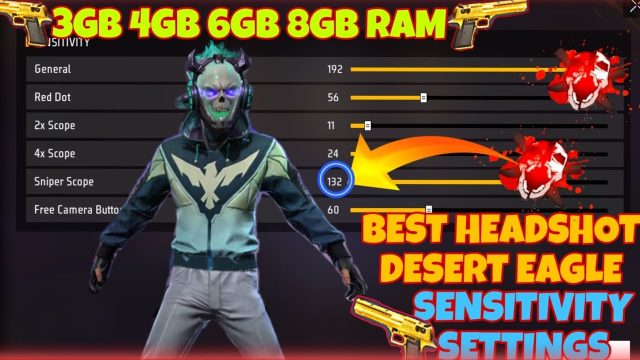
Scoped sensitivities should ideally be lower than your general sensitivity because small movements matter more when zoomed in. A common mistake is leaving them at default. Start with Red Dot between 40 and 60, 2x Scope between 35 and 50, and 4x Scope between 20 and 35. For the AWM or other sniper scopes, keep it around 15–25. Test with each scope in training mode – you want to be able to track a moving target smoothly.
If you want virtually no recoil, try the no recoil settings I’ve shared – they work for most devices. But remember: no setting works magic without practice.
Step 5: Fine-Tune Gyroscope (If Using Gyro)
Gyro sensitivity uses your phone’s motion to aim. If your phone supports it, enabling gyro can give you pixel-perfect adjustments. Beginners often set gyro too high, causing shaky aim. Start with gyro general sensitivity at 30, and scope gyro at 15. Then increase gradually. See the gyro sensitivity settings guide for a full breakdown.
Step 6: Test and Adjust
Now it’s time to put it all together. Jump into the training ground and spend 10 minutes doing these drills: 1) Flick shots on stationary targets, 2) Track a moving bot, 3) Practice spray control with your favorite weapon. Pay attention to whether you’re overshooting or under-correcting. Use the sensitivity tester tool to record your accuracy over multiple runs.
Tweak each slider by 5 points at a time. Give your muscle memory at least 5 minutes with each change before adjusting again. Once you feel comfortable, play a real match – the pressure will reveal any weaknesses. If you’re still not happy, consider trying custom sensitivity settings tailored to your specific phone model.
Common Pitfalls
- Setting sensitivity too high: You’ll jitter and miss close-range shots. Stick to the baseline and only increase if you feel sluggish.
- Ignoring gyro calibration: If you use gyro, make sure to calibrate it in phone settings. Otherwise, your aim will drift.
- Not testing in real matches: Training ground is fine, but actual combat has lag and stress. Always adjust after a few real games.
Where to Next
Now that you have a solid baseline, keep experimenting. Everyone’s perfect sensitivity is different. Check out my guide on finding your perfect sensitivity for a deeper dive. Also, don’t forget to explore advanced topics like gyro sensitivity settings and no recoil settings. Happy hunting!