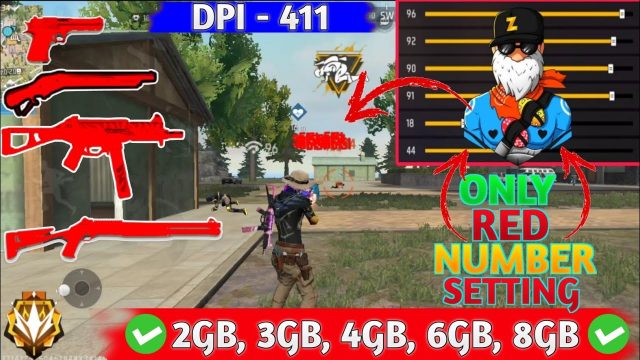
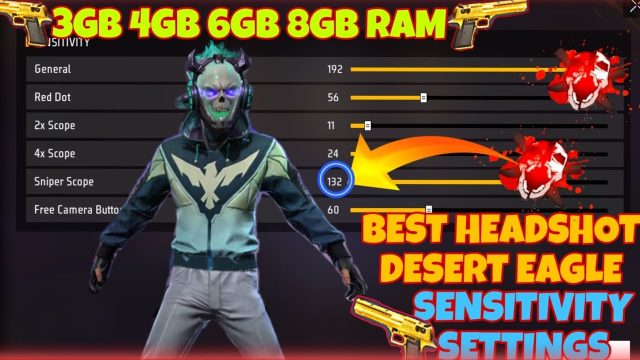
If you’ve ever felt like your shots are just a bit off, that you’re swiping too slow or too fast, then it’s time to tweak your Free Fire sensitivity settings. This guide is built for everyday players—whether you’re rocking a two-finger setup or you’re on a high-end device. By the end, you’ll have a custom sensitivity profile that feels natural and helps you land more headshots.
We’ll walk through every slider, from general sensitivity to scope zoom, and show you how to test your settings in the training room. No jargon, no fluff—just actionable steps. Let’s get your aim dialed in.
What You’ll Need
- A device with Free Fire (or Free Fire Max) installed
- 10–15 minutes of uninterrupted time
- Access to the Training Room (find it in the game lobby)
- Patience—don’t rush the fine-tuning
Step 1: Open the Settings Menu
Launch Free Fire and head to the main lobby. Look for the tiny gear icon in the top-right corner—that’s your settings button. Tap it, and you’ll land on the ‘Basic’ tab. Don’t wander off yet; we’re heading straight for the sensitivity section.
If you’re using Free Fire Max, the layout is identical. The gear icon is in the same spot. For players on Samsung devices, check out our dedicated Samsung sensitivity settings guide for device-specific tweaks.
Step 2: Navigate to the Sensitivity Tab
Inside settings, swipe left or tap the ‘Sensitivity’ tab. You’ll see a bunch of sliders: General, Red Dot, 2x Scope, 4x Scope, Sniper Scope, and Free Look. Don’t get overwhelmed—we’ll tackle each one.
Before you change anything, take a screenshot of your current values. That way you can always revert if something feels off. Pro players often share their pro player sensitivity settings, but remember that your perfect value depends on your phone and playstyle.
Step 3: Adjust General Sensitivity
General sensitivity controls your look-around speed when you’re not aiming down sights. A good starting point is 80–90 for most players. If you tend to overshoot targets, lower it. If you can’t turn fast enough, raise it. Hip-fire battles rely heavily on this value.
For two-finger players, a slightly higher general sensitivity (90–100) helps with quick flicks. If you’re using a gyroscope, you can keep it lower. Experiment in the training room—spray a wall and see if your crosshair stays on target.
Step 4: Adjust Specific Scope Sensitivities
Each scope has its own slider. For close-range fights (Red Dot, 2x), keep values high—around 85–95—so you can track moving enemies. For mid-range (4x), start at 70–80. For snipers, many players prefer lower values (50–65) for precise shots. Our sniper scope sensitivity guide dives deeper into fine-tuning these numbers.
Don’t forget the ‘Free Look’ slider—it controls how fast you can look around while parachuting or running. Set it to 80+ for better awareness. For movement players, a higher Free Look helps you spot enemies without changing direction.
Step 5: Save and Test in Training Room
After changing sliders, tap the back arrow to save automatically. Then head to the Training Room (click ‘Training’ on the lobby screen). Grab a weapon and practice tracking bots. If you’re constantly missing, go back and tweak. Our tested Android settings article gives real-world feedback on what works on different devices.
Don’t be afraid to try extreme values—some pros use max sensitivity settings 2026 for insane flick shots. But always calibrate to what feels natural. A good rule: if you’re shaking, lower it; if you’re sluggish, raise it.
Sensitivity is personal, so never copy someone else’s blindly. Take the base values and adjust until they become an extension of your thumb.
Clutch, competitive Free Fire player
Common Pitfalls
- Copying settings from YouTube without testing. Those pro settings might work on their device, but your phone’s touch response is different. Always start from a baseline and tweak.
- Changing too many sliders at once. If you modify General, Red Dot, and 4x at the same time, you won’t know which one messed up your aim. Change one, test, then move on.
- Ignoring the Training Room. Jumping straight into ranked matches with new sensitivity is a recipe for disaster. Spend at least 10 minutes in the range before going live.
Where to Next
You’ve got your sensitivity dialed—now it’s time to put it to use. Check out our guide on winning with these settings, or dive into advanced techniques for movement players. Remember, the best sensitivity is the one that makes you land shots consistently. Happy hunting!