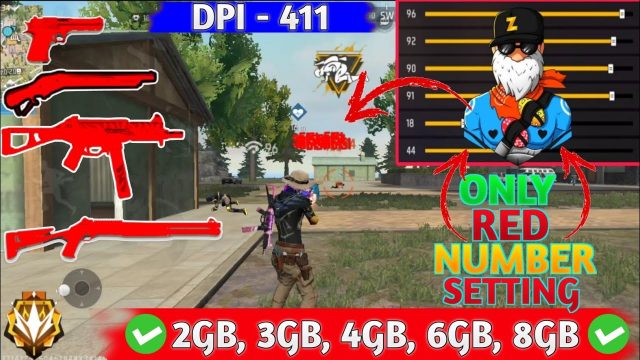
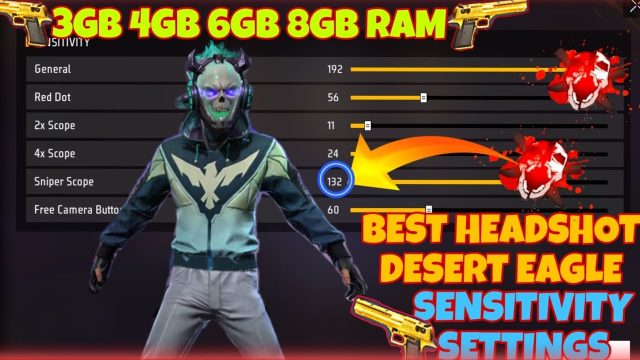
If you’re rocking a Mediatek-powered phone and playing Free Fire, you’ve probably noticed that default sensitivity settings don’t always feel right. Mediatek chips handle touch input a bit differently than Snapdragon or Exynos, so tweaking your sensitivity can make a huge difference in aim, recoil control, and overall gameplay. This guide is for Mediatek users who want a smooth, responsive experience without the jitters.
By the end of this tutorial, you’ll have a custom sensitivity profile that works specifically for your Mediatek device. We’ll start from the basics, walk through each setting step by step, and give you tested values that balance speed and accuracy. You’ll also learn how to fine-tune in the training ground so you can dominate in ranked.
What You’ll Need
- A Mediatek phone (any model – Helio, Dimensity, etc.)
- Free Fire or Free Fire Max installed and updated
- Stable internet connection (Wi-Fi or 4G/5G)
- 15-20 minutes of uninterrupted time to test and adjust
- Optional: a friend to help with movement tests
Step 1: Open Free Fire Settings and Navigate to Sensitivity
Launch Free Fire and tap the gear icon in the top-right corner of the lobby. Go to the ‘Sensitivity’ tab. This is where all the magic happens. If you need a refresher on the basics, check out how to change Free Fire sensitivity settings first.
Step 2: Set General Sensitivity Values
Start with the General section. For Mediatek phones, a value between 85 and 95 works well for most players. This keeps your look-around fast enough for close combat but not too twitchy. If you prefer a more controlled aim, try 80-85. I recommend 90 as a starting point. Adjust your red dot and 2x scope accordingly – keep them around 80-90 as well.
Step 3: Adjust Scope Sensitivities Individually
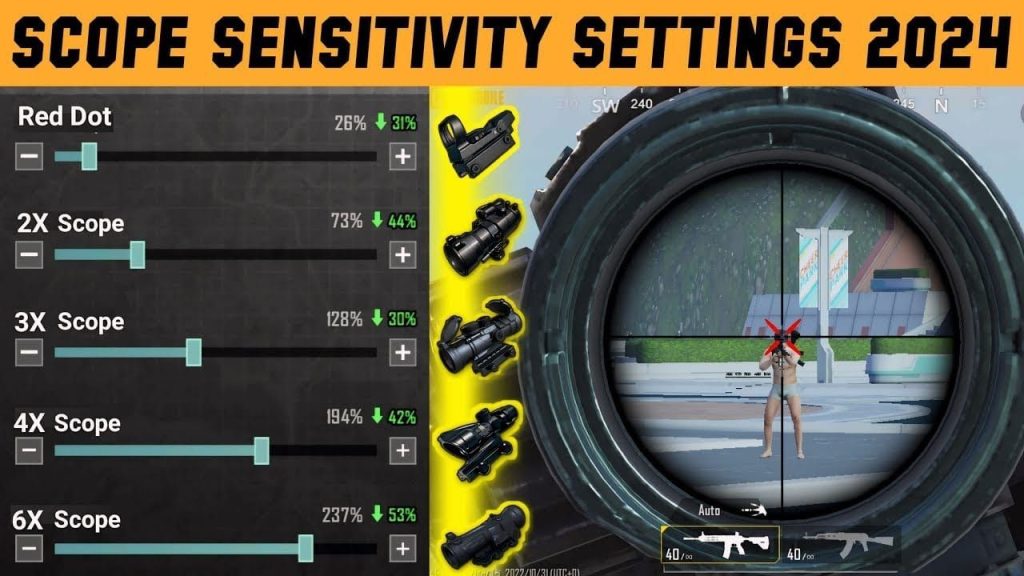
Each scope has its own sensitivity. For Mediatek, the 4x scope often feels slower, so bump it up to 85-90. The sniper scope should be lower, around 40-50, for steady aim. If you’re into sniping, our free fire sniper scope sensitivity settings guide can help you fine-tune further.
Step 4: Test in Training Ground
Head to the training ground and practice aiming at moving targets. Spend at least 5 minutes checking each scope. Fire full clips at walls to see how your crosshair behaves. If your aim overshoots, lower the value; if it feels sluggish, increase it. For a reference, our 2 finger setup sensitivity values are a great benchmark for thumb players.
Step 5: Fine-Tune with Real Gameplay
Play a casual match or Clash Squad to see how the settings feel under pressure. Pay attention to drag shots, gloo wall placements, and quick scopes. Mediatek phones sometimes have a slight touch delay, so if you feel a lag, try lowering sensitivity by 5. These values have been tested on Android and work reliably. After a phone update, you might need to revisit them – check our guide on settings after a phone update.
Common Pitfalls
- Copying pro settings blindly: Your Mediatek phone is not a gaming flagship, so pro settings might feel too high. Always start lower and adjust upward.
- Ignoring touch sampling: Mediatek phones often have 120Hz or 180Hz touch sampling. If your aim feels floaty, lower sensitivity to compensate.
- Over-adjusting every match: Changing settings too often prevents muscle memory. Stick with a setup for at least a week. For consistent results, use winning sensitivity settings that have been proven in ranked.
Where to Next
Now that you have a solid Mediatek sensitivity profile, you can explore other optimizations. Check out our Samsung sensitivity settings for comparison if you ever switch devices, or dive into advanced guides like the free fire max sensitivity settings 2026 for the latest updates. Keep experimenting, and you’ll find your perfect aim in no time.