If you keep losing one-on-one fights even when you spot the enemy first, your sensitivity settings are probably holding you back. This guide is for every Free Fire player—whether you’re stuck in Gold or pushing for Grandmaster—who wants to hit more shots, control recoil like a pro, and finally start winning matches consistently. By the end, you’ll have a custom sensitivity profile that suits your playstyle and device, plus the confidence to tweak it as you improve.
We’ve tested these settings on multiple devices and ranks, and they’re the same foundation used by top players. You’ll learn exactly which sliders to change, why each one matters, and how to practice without wasting time in the training ground. Let’s get you those headshots.
What You’ll Need
- A phone or tablet running Free Fire (any device works, but these settings are optimized for 60 FPS)
- Access to the in-game sensitivity settings (Settings > Sensitivity)
- At least 15 minutes of free time to adjust and test
- A friend or a training ground session to practice (optional but recommended)
- Our tested free fire sensitivity settings guide if you want a baseline
Step 1: Reset Your Current Settings to Default
Before you copy anyone’s numbers, start fresh. Go to Settings > Sensitivity and tap “Reset to Default.” This erases any wonky adjustments you made in the past and gives you a clean slate. If you want to save your current ones first, check out how to save free fire sensitivity settings so you can revert if needed.
Step 2: Adjust General Sensitivity
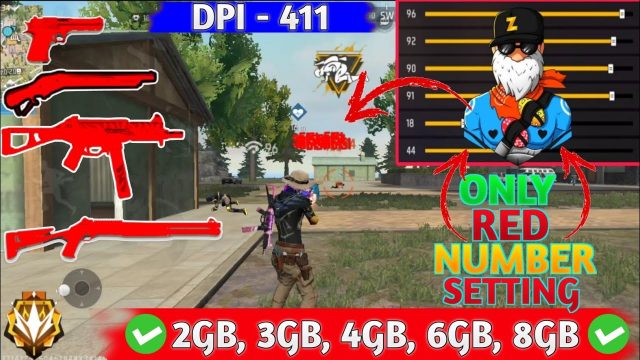
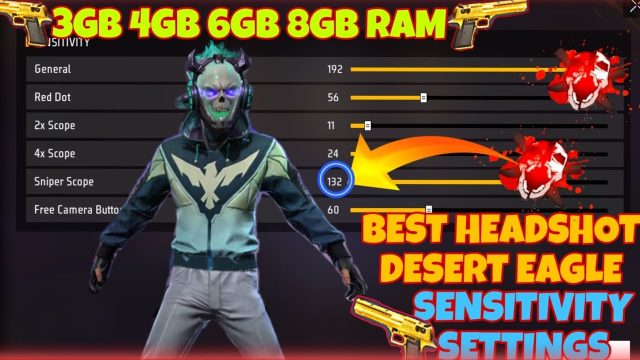
General sensitivity controls how fast your camera moves when you swipe. For most players, a value between 85 and 95 works well. If you use a phone with a small screen, stay near 90. For tablets, you can go lower (around 80) because the screen is bigger. Set it now, then move to the next step.
Step 3: Set Your Red Dot and 2x Scope Sensitivity
Red dot and 2x scope are the most common sights in early to mid-game fights. Start with 80–85 for red dot and 75–80 for 2x. These allow you to track enemies without overshooting. For detailed numbers that work in ranked matches, refer to our sensitivity settings for ranked mode guide.
Step 4: Fine-Tune Your 4x and Sniper Scope
For long-range scopes, lower sensitivity is key. Set 4x to around 50–60 and sniper scope to 30–40. This prevents jittery crosshair movement when you’re peeking at distance. If you’re an aggressive rusher, you may want slightly higher values—check the Free Fire rush sensitivity settings for close-combat optimization.
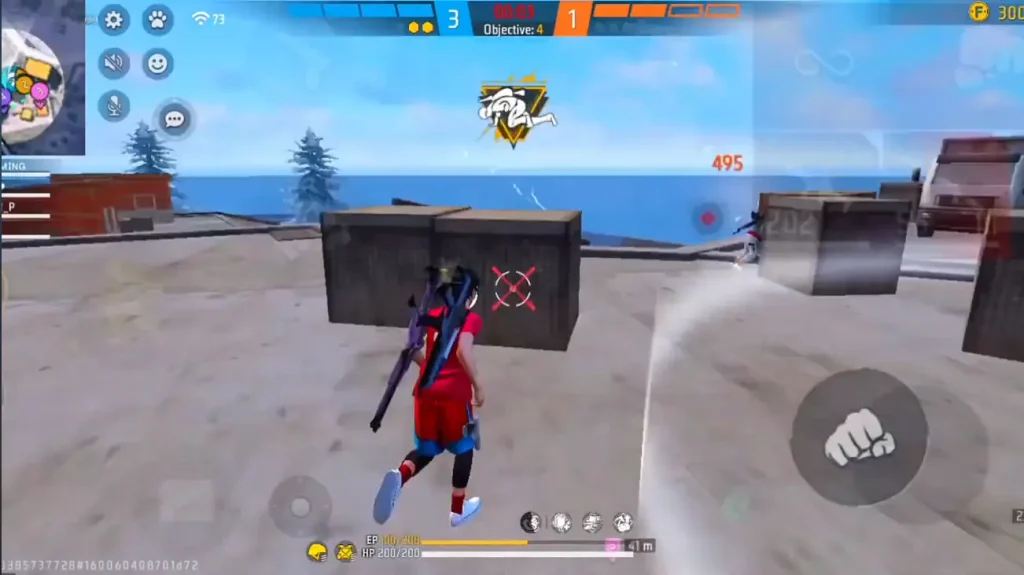
Step 5: Adjust Free Look and Gyroscope (Optional)
Free look sensitivity (the eye icon) should be around 60–70 so you can scout without moving your aim point. If you use gyroscope, start with 50–60 for both general and scoped. Gyro users often excel at fine-tuning recoil. For non-gyro players, we’ve covered the best sensitivity settings for non gyroscope users in another post.
Step 6: Test and Adjust in Training Ground
Jump into the training ground and shoot at targets from different ranges. If your crosshair moves too fast (you overshoot), lower the sensitivity by 5 points. If it’s too slow (you can’t track a moving target), increase by 5. Spend at least 10 minutes here. Remember, the anniversary update changed some mechanics, so check the free fire sensitivity settings anniversary update for any new sliders.
Step 7: Apply to Ranked Matches and Iterate
Once you feel comfortable, play a few ranked matches. Don’t change settings after every death—give yourself at least 5 games to adapt. After that, tweak one slider at a time. Consistency is how you build muscle memory. Save your final settings so you don’t lose them after updates.
Common Pitfalls
- Copying a pro’s settings without adjusting for your device. What works on a 120Hz iPad might feel sluggish on a 60Hz phone. Always start from a baseline and adjust based on your feel.
- Changing too many sliders at once. If you tweak everything and your aim gets worse, you won’t know which slider caused it. Change one value, test, then move on.
- Ignoring the training ground. Many players jump straight into ranked and blame their settings when it’s actually lack of practice. Spend time deliberately aiming at moving targets.
Where to Next
Now that your sensitivity is dialed in, the next step is mastering movement and map awareness. Pair your new settings with a solid HUD layout and practice patterns like peek-shooting. For deeper dives, check our guides on specific devices and scenarios—whether you’re on an old phone or competing in tournaments, we’ve got you covered. Keep practicing, and see you in the winner’s circle!