If your phone feels like a hot potato after a couple of Free Fire rounds, you’re not alone. Overheating causes frame drops, stutter, and even battery damage. This guide is for players with budget or midrange phones that heat up quickly. By the end, you’ll have a sensitivity setup that keeps your device cool while maintaining solid aim and movement.
We’ll walk through lowering graphics, adjusting global and scope sensitivities, enabling gyro (if you want), testing in matches, and monitoring your temperature. You’ll also learn how to avoid common mistakes that make overheating worse. Ready to play without the burn? Let’s go.
What You’ll Need
- A phone running Free Fire (Android or iOS)
- Access to the in-game settings menu
- A stable internet connection for testing
- Optional: a phone temperature monitoring app (e.g., CPU Monitor or Game Booster)
Step 1: Lower Your Graphics Settings
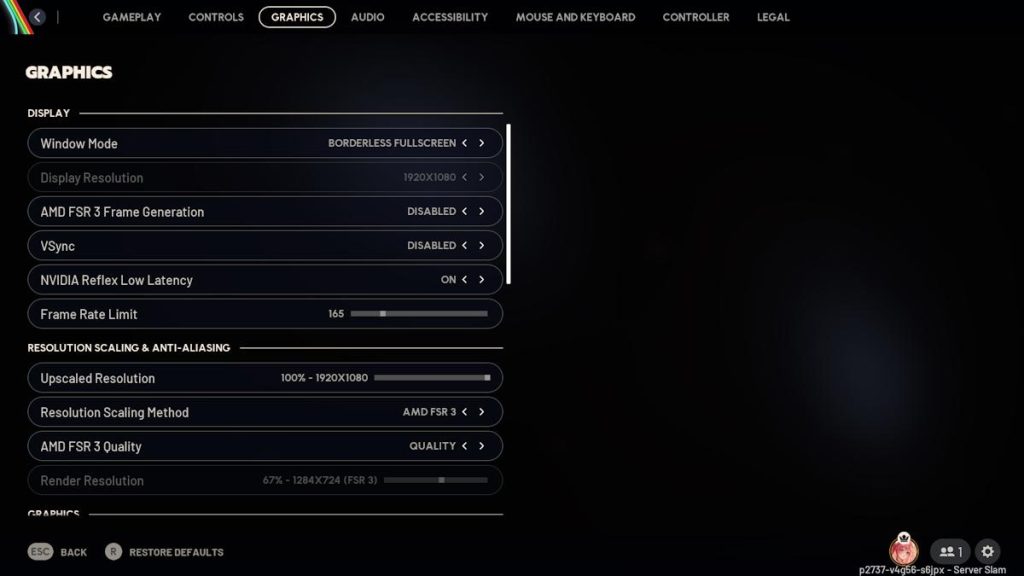
High graphics puts extra load on your GPU, generating heat. Set Graphics to Smooth and Frame Rate to High or Max if your phone supports it. Avoid Ultra frame rate unless your phone is a beast – it drains battery and heats up fast. Also disable Shadows, Anti-aliasing, and Water Reflection options. These are visual fluff that fry your chipset.
Step 2: Adjust Global Sensitivity
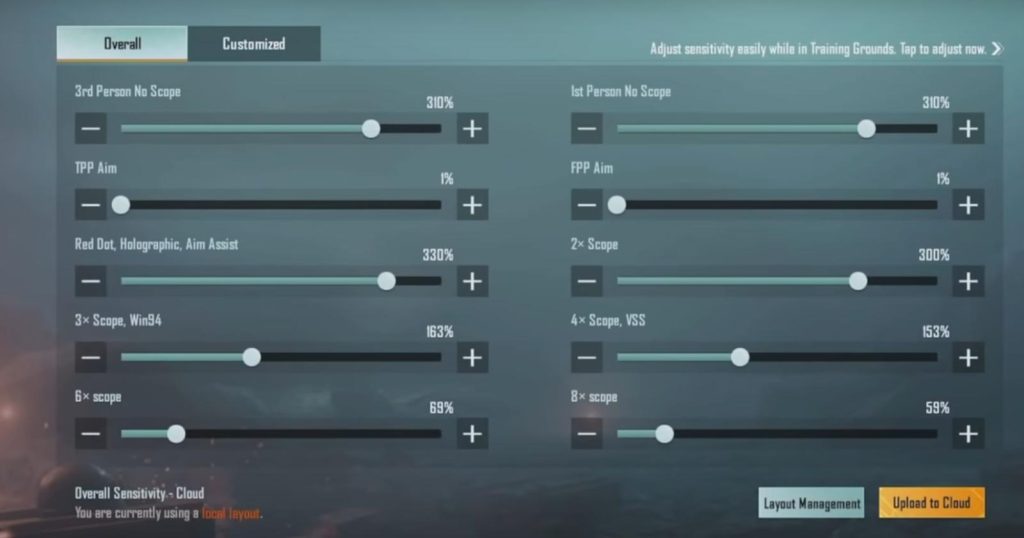
Open Settings > Sensitivity. Start with low values (50-60) across all categories. High sensitivity forces the processor to calculate more input variations, increasing temperature. For overheating phones, keep Global Sensitivity at 60 or below. If you have a gaming phone, check our sensitivity settings for gaming phones guide for higher values. But for heat reduction, lower is safer.
Step 3: Fine-Tune Individual Scopes
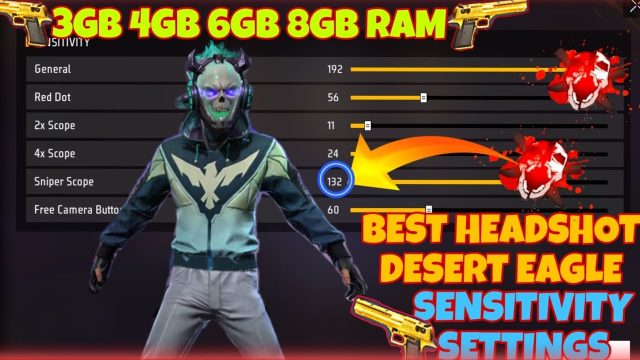
Each scope (Red Dot, 2x, 4x, etc.) can be set separately. Keep them low as well: Red Dot: 55, 2x: 50, 4x: 40, Sniper: 35. Lower scope sensitivities reduce the number of micro-adjustments your phone has to process per second. This means less heat and smoother aim. You can always tweak later with custom sensitivity settings.
Step 4: Enable Gyroscope (Optional)
Gyro uses your phone’s motion sensors instead of touch inputs, which can reduce processor load in some cases. Set Gyro Sensitivity to 30-40% of your regular sensitivity. This helps you aim without taxing the GPU as much. If gyro doesn’t work for you, skip it. Check our how to use gyro in Free Fire sensitivity settings guide for more tips.
Step 5: Test in a Real Match
Go to Clash Squad or Classic mode and play a full round. Focus on your aim and movement. If you feel sluggish, increase sensitivity by 5 points. If your phone heats up severely, lower graphics further (e.g., Frame Rate to Medium). Use the training ground to test your sensitivity settings before jumping into ranked. Repeat until you find a balance between cool temps and good aim.
Step 6: Monitor Phone Temperature
Install a monitoring app like CPU Monitor for Android or use iOS’s built-in performance tools. Play a match and check the temperature. Ideally, keep it below 40°C (104°F). If it hits 45°C or higher, you need to reduce settings more. Also consider disabling Game Booster apps that force high performance – they often cause overheating. For fast players who need higher frames, try our settings for fast players guide but expect more heat.
Common Pitfalls
1. Cranked sensitivity too high – More sensitivity means more computations, which means more heat. Stick to low values. 2. Ignoring background apps – Close all apps before playing. WhatsApp, YouTube, and social media running in the background add unnecessary load. 3. Using no recoil settings from the internet – Copying high no recoil settings often uses very high sensitivity, which overheats your phone quickly. Instead, use our no recoil settings that are optimized for lower heat.
Where to Next
Now you know how to keep your phone cool while playing Free Fire. Next, consider upgrading to a midrange phone with better thermal management – our sensitivity for midrange phones guide can help you squeeze out more performance. Or dive into advanced techniques with our advanced free fire sensitivity settings guide. Stay frosty, and happy gaming!