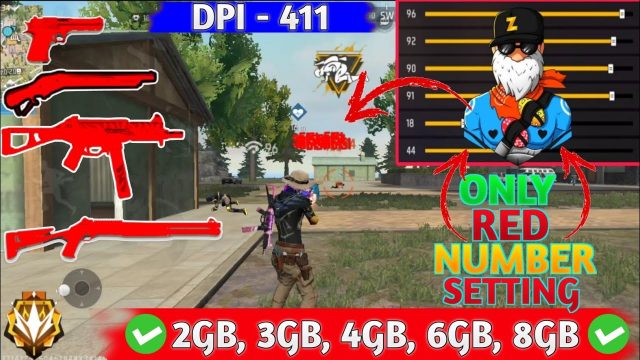
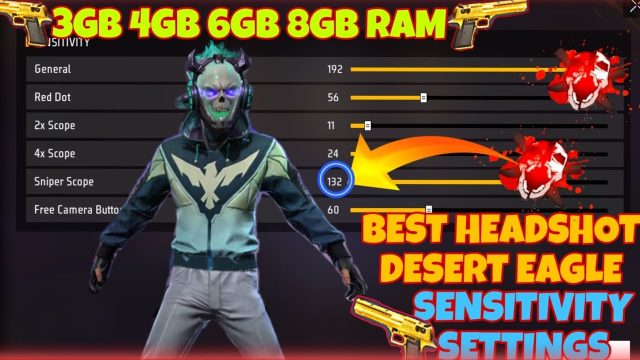
If you’re playing Free Fire on a midrange phone – think Snapdragon 660, Helio P60, or Exynos 7904 – you know the struggle. High sensitivity can cause frame drops, while low sensitivity makes you slow. This guide is for you: the player who wants smooth, responsive aim without sacrificing performance. By the end, you’ll have a sensitivity setup that balances speed and stability, giving you an edge in close and medium range fights.
We’ll walk through six simple steps: resetting to default, setting general sensitivity, adjusting scope sensitivities, fine-tuning free look, and testing in practice mode. Plus, I’ll share common pitfalls so you avoid wasting time. Ready? Let’s dive in.
What You’ll Need
- Free Fire installed on a midrange phone (4GB RAM or more recommended)
- Stable internet connection (Wi-Fi or 4G with low ping)
- Access to the in-game practice range (Training Ground)
- Patience for a few test rounds – it takes 10-15 minutes
Step 1: Reset Sensitivity to Default
Start fresh. Go to Settings > Sensitivity and tap ‘Reset to Default’. This clears any wonky adjustments from past updates or experiments. Midrange phones often accumulate clutter from previous patches, so a clean slate helps. Don’t skip this – even if you think your settings are fine, resetting ensures consistency. For reference, the default values are close to the global sensitivity defaults many pros start with.
Step 2: Set General Sensitivity
General sensitivity controls your aim while moving and scoping. On midrange phones, aim for 70-80. Too high (90+) may cause jittery movement and frame drops; too low (<60) makes you sluggish. I recommend starting at 75. If your device handles it smoothly, bump to 80. If you notice lag, drop to 70. This range works well for most midrange chipsets. Check out stable sensitivity presets if you want a more conservative starting point.
Step 3: Adjust Red Dot and 2x Scope Sensitivity
These scopes are your bread and butter for close to medium range fights. Set Red Dot to 55-65 and 2x to 50-60. I use 60 for Red Dot and 55 for 2x. This gives you enough speed to track enemies without overshooting. If you play aggressively, lean toward the higher end; for tactical play, go lower. For more tailored setups, explore custom sensitivity profiles for different playstyles.
Step 4: Set 4x and AWM Scope Sensitivity
For long range, lower sensitivity prevents shaking. Set 4x to 40-50 and AWM to 35-45. I prefer 45 for 4x and 40 for AWM. This allows precise adjustments while scoped in. If you snipe often, you might want to fine-tune these – refer to medium range sensitivity guides for more nuance. Remember, on midrange phones, high scope sensitivity can cause micro-stutters.
Step 5: Tweak Free Look Sensitivity
Free look helps you survey your surroundings while running straight. Set it to 80. This is high enough to check sides quickly without drifting off target. On midrange devices, free look is less taxing than normal aim, so you can push it. Test it in the training ground – if it’s too fast, drop to 70. After major updates, remember to check for post-update sensitivity adjustments, as patches sometimes reset or alter performance.
Step 6: Test and Fine-Tune in Practice Mode
Head to the training ground. Shoot at moving targets, practice flick shots, and try spraying with an M4 or AK. Pay attention to recoil control and how quickly you can snap to heads. If you feel too slow, increase general sensitivity by 2-3; if you over-aim, decrease it. Spend 5-10 minutes here. This step is crucial – don’t jump straight into a ranked match. For competitive play, you can later adopt competitive sensitivity settings from high-ranked players.
Common Pitfalls
- Over-adjusting after one bad game: Don’t change settings after a single loss. Stick with your setup for at least 10 matches before tweaking.
- Copying pro settings without adjustment: Pro players use high-end phones. Their 90 general sensitivity might cause lag on your midrange device. Always lower by 10-15 points.
- Ignoring device performance: If your phone heats up or drops frames, reduce graphics settings first, then sensitivity. Heat leads to throttling and inconsistent aim.
Where to Next
You now have a solid sensitivity base for your midrange phone. Practice with it for a few days. Once comfortable, experiment with minor tweaks to match your playstyle. Check out other guides on this site for weapon-specific settings, like shotguns or SMGs. Remember, the best sensitivity is the one that feels natural and keeps your device running smoothly. Happy hunting!