Whether you’re a newbie dropping into Bermuda for the first time or a seasoned veteran trying to climb the ranked ladder, your Free Fire sensitivity settings can make or break your gameplay. The right sensitivity helps you land those headshots, control recoil, and outplay opponents in close-range fights. In this guide, we’ll walk you through a universal approach to finding your ideal sensitivity—works on any phone, any RAM, any region. By the end, you’ll have a setup that feels natural and gives you the edge in every match.
We’re not just giving you a bunch of numbers to copy. Instead, we’ll teach you how to tune each slider to your own fingers, device, and playstyle. You’ll learn what each setting does, get a baseline to start from, and then fine-tune in the training ground. Plus, we’ll show you how to save your perfect setup as a custom sensitivity code so you never lose it. Ready? Let’s dive in.
What You’ll Need
- Free Fire installed on your device (latest update)
- Stable internet connection (preferably 4G or Wi-Fi)
- At least 10 minutes of free time
- A quiet environment to focus
- Patience – perfection takes a few rounds
Step 1: Understand the Sensitivity Options
Free Fire’s sensitivity menu is divided into two sections: General Sensitivity (camera movement and hip fire) and Scope Sensitivity (for every scope level: red dot, 2x, 4x, 8x, etc.). Each slider controls how fast your crosshair moves when you swipe. A higher number means faster movement but less precision; a lower number means slower, more controlled aim. You’ll also find separate settings for gyroscope if your device supports it.
Step 2: Reset to Default
Before we start tweaking, it’s wise to reset your sensitivity to the game’s default. This clears any messed-up values from earlier attempts. Go to Settings > Sensitivity and tap the Reset button (usually a tiny arrow or ‘Reset’ text). Now you have a blank canvas.
Step 3: Use a Baseline for Worldwide Settings
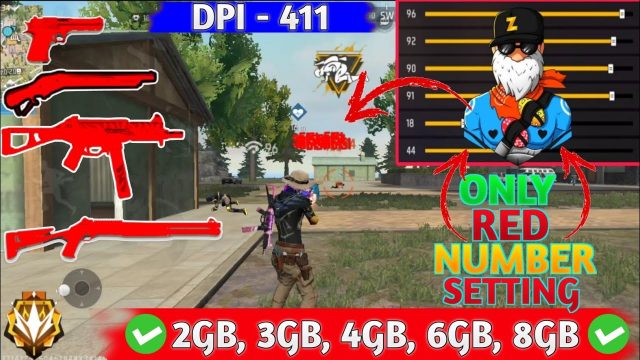
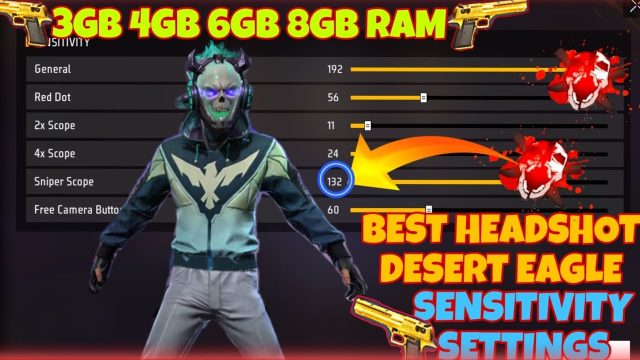
Based on community-tested values that work well on most devices, here’s a solid starting point. These numbers balance speed and control, and you can adjust from here: General: 85, Red Dot: 80, 2x Scope: 70, 4x Scope: 60, 8x Scope: 50, 10x Scope: 40, Free Look: 80. Enter these values exactly. If you tend to overshoot targets, lower them by 5; if you feel sluggish, raise them by 5.
Step 4: Fine-Tune in the Training Ground
Head to the Training Ground (found on the main menu). Grab a weapon like the M4A1 or AK. Practice shooting at a wall while controlling recoil—your goal is to keep the bullet holes in a small circle. Adjust the General and Red Dot sensitivity until you can easily track a moving target. Spend at least 5 minutes here, then try with scoped weapons. This is where you’ll discover your sweet spot.
Step 5: Test in Real Matches
Now it’s time for real action. Jump into a Clash Squad or Battle Royale match. Pay attention to how you aim at enemies at different ranges. If you’re over-flicking in close range, reduce your General sensitivity. If you struggle to track a running enemy, increase it slightly. For scope settings, use the same logic: adjust per scope based on your performance. Don’t hesitate to tweak one slider at a time.
Step 6: Save Your Settings as a Custom Code
Once you’re happy, don’t let your perfect setup disappear after an update or device change. Go to Settings > Sensitivity and tap the ‘Custom Code’ option (looks like a gear icon). Tap ‘Save Current Settings as Code’ and note down the code. You can also share it with friends. For more on this, check out our guide on custom sensitivity codes.
Common Pitfalls
- Copying pro streamer settings without adjusting for your own device and finger size. Their setup might be too fast or too slow for you.
- Changing sensitivity too frequently. Muscle memory needs time to adapt; stick with a setting for at least 10 matches before changing.
- Ignoring device performance. Low-end phones (< 4GB RAM) may need lower sensitivity to avoid lag, while high-end phones can handle higher values. See our Android sensitivity settings for device-specific tips.
Where to Next?
Now that you have your sensitivity dialed in, you can further refine your game with our guides on no recoil settings, medium range sensitivity, close range sensitivity, and competitive sensitivity. Each guide builds on what you’ve learned here to help you dominate in specific situations. Keep practicing, and soon those headshots will feel automatic.