So you’re serious about Free Fire esports. Whether you’re grinding for a scrim spot, prepping for an official tournament like Free Fire World Series or a local LAN, your sensitivity settings can make or break your performance. This guide is for motivated players who want a competitive edge. By the end, you’ll have a tuned sensitivity profile that helps you snap onto targets, control recoil, and track enemies consistently—without overshooting or feeling sluggish.
We’re not just giving you random numbers. You’ll learn how to set up your DPI, in-game sliders, and gyro (if you use it), plus understand why each value matters. We’ll also cover how to test and tweak for your specific device. If you’re coming from our free fire sensitivity settings for esports events guide, consider this the tournament-specific upgrade.
What You’ll Need
- A device capable of running Free Fire at 60 FPS (or at least stable 45 FPS) – check our free fire sensitivity settings and fps combo guide for help.
- One free 30-minute session in the training ground to dial in your settings.
- A notepad or in-game notes to record your starting values.
- Patience – don’t change everything at once.
Step 1: Reset and Understand Your Current Settings
Open Free Fire, head to Settings > Sensitivity. Take a screenshot of your current values, then tap “Reset” to default. This clears any old tweaks that might be holding you back. Note that tournament settings often use a “middle-ground” approach: not too high (you’ll miss) and not too low (you’ll be too slow). If you’re coming from our most searched free fire sensitivity settings, you’ll notice pros tend to favor slightly lower sensitivity for better control under pressure.
Step 2: Set Your General Sensitivity
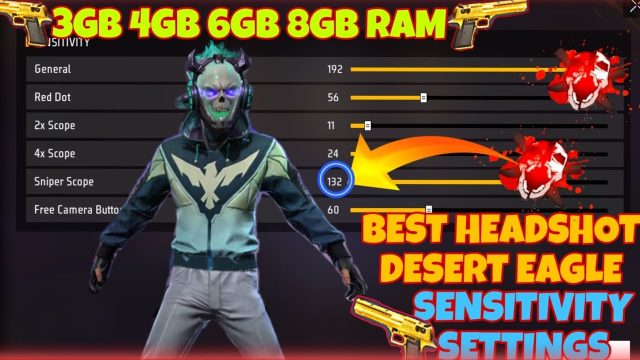
Start with these tournament-proven base values (adjust in increments of 5 later):
– General: 70
– Red Dot: 65
– 2x Scope: 50
– 4x Scope: 40
– Sniper Scope: 30
– Free Look: 50
– Gyroscope: 50 (if enabled)
These are close to what many pros use in official matches. Remember, this isn’t one-size-fits-all. For a deeper dive, check out our complete free fire sensitivity settings guide to see how these values affect aiming.
Step 3: Dial in Your Gyroscope (If You Use It)
Gyro is huge in tournaments because it adds a layer of micro-adjustments. Set your Gyroscope sensitivity at 50 and then test in training. Tilt your phone slightly to aim – if the crosshair drifts too much, lower it; if it feels unresponsive, raise it by 5. Many claw players (see our free fire sensitivity settings for claw users) combine gyro with high general sensitivity for flick shots. For tournament play, keep gyro between 40-60 for consistency.
Step 4: Fine-Tune in the Training Ground
Now it’s time to test. Go to Training Ground, grab an AR (like M4A1 or AK) and practice:
– Tracking a moving target: keep your crosshair on a bot as it strafes.
– Flick shots: snap between two stationary bots quickly.
– Spray control: full mag at a wall without the bullets going wild.
If you can’t land shots consistently, adjust sensitivity by 2-3 points at a time. Note your findings – this is where free fire sensitivity settings for aim players really come into play. Tournament matches demand near-perfect aim, so spend at least 15 minutes here.
Common Pitfalls
- Copying a pro’s exact settings without testing. Your device, grip, and screen size are different – tweak accordingly.
- Changing too many values at once. You won’t know what helped or hurt. Adjust one slider per training session.
- Ignoring FPS drops. Low frames make even the best sensitivity feel janky. Use our free fire sensitivity settings and fps combo guide to stabilize performance.
Where to Next
Once your sensitivity feels solid, practice in ranked matches or scrims. Consistency is key – don’t change settings right before a tournament. For more advanced tips, check out our free fire sensitivity settings for esports events guide and our most searched free fire sensitivity settings page. Keep grinding, and see you in the finals!