If you’re tired of your aim feeling either too jittery up close or too sluggish at range, you’ve come to the right place. This guide is for the everyday Free Fire player who wants a balanced sensitivity — one that handles close-quarters sprays, medium-range taps, and long-range snipes without constant tweaking. By the end, you’ll have a solid baseline sensitivity that you can fine-tune to your own style, plus the know-how to adjust it as you improve.
Remember, there’s no one-size-fits-all setting. But starting from a proven balanced point saves hours of guesswork. We’ll walk through DPI awareness, resetting your settings, adjusting general and scope sensitivities, and testing in the training ground. Let’s get your crosshair on point.
What You’ll Need
- Free Fire installed on your device (phone or tablet)
- A stable internet connection
- A training ground or the ability to enter a casual match for testing
- Patience — don’t expect perfection in one game
Step 1: Know Your DPI and Device
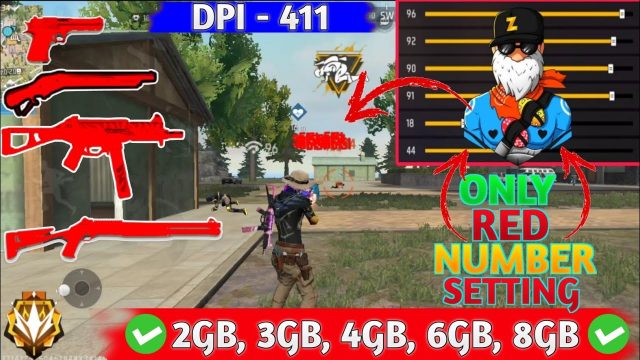
Your device’s DPI (dots per inch) affects how sensitivity feels. Most phones have a default DPI around 400–480, but some high-end devices go higher. If you’re using an external mouse on an emulator, check your mouse’s DPI. For balanced sensitivity, start with the assumption that your DPI is in the 400–500 range. If you know your DPI is lower, consider our sensitivity settings for low DPI guide. If it’s higher, you might prefer our casual user sensitivity settings as a starting point.
Step 2: Reset to Default Sensitivity
Before applying any new settings, it’s crucial to reset to default. Go to Settings > Sensitivity and tap the ‘Reset’ button (usually at the bottom). This clears any random tweaks you might have made. Starting from a clean slate ensures you’re only applying deliberate changes.
Step 3: Set Your General Sensitivity
General sensitivity controls how fast your view moves when you swipe. A balanced setting is typically between 85 and 95 on the slider. Start at 90. This is high enough for quick 180-degree turns but not so high that you overshoot targets at medium range. If you feel dizzy or inaccurate, drop to 85. If you need faster flicks, go to 95. This middle ground works for most playstyles. For movement-focused players, check our movement control sensitivity settings for more specific tweaks.
Step 4: Adjust Scope Sensitivities
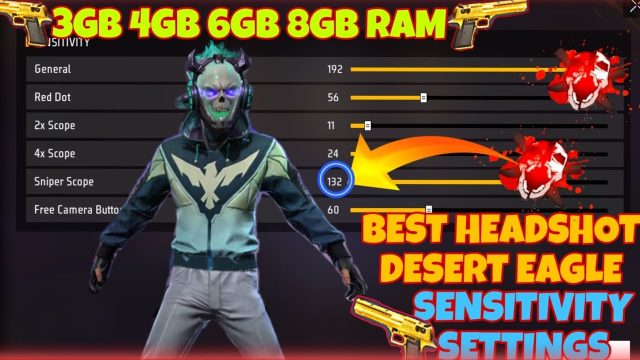
Now fine-tune each scope. For balanced play, set red dot to 90, 2x scope to 80, 4x scope to 65, and sniper scope to 55. These numbers let you track moving targets at medium range without sacrificing close-range reaction. If you love sniping, our sniper style sensitivity settings offer a different approach. For overall consistency, also set the free look sensitivity to 80 and the gyroscope (if you use it) to 70.
Step 5: Test in Training Ground
Head to the training ground and practice. Shoot at moving targets, try flick shots, and test both hip fire and scope. Pay attention to how it feels: if you’re overshooting, lower the sensitivity by 2 points. If you’re undershooting, increase by 2. Spend at least 15 minutes here. Use the dummy targets and run around to get a feel for the new settings.
Step 6: Play Real Matches and Adjust
Now take your settings into actual games. Play at least 3–5 matches in Clash Squad or Battle Royale. Don’t change anything after one bad game — give your muscle memory time to adapt. If you consistently miss close-range shots, increase general sensitivity slightly. For long-range issues, tweak the 4x scope. Remember, pro player sensitivity settings can inspire you, but your perfect balance might be slightly different. Also consider our lag-free sensitivity settings if you experience frame drops.
Common Pitfalls
- Copying pro settings without adjusting for your device and DPI — what works for a streamer on a high-end phone might feel awful on your mid-range device.
- Changing too many values at once — stick to one or two tweaks per session so you know what worked.
- Not giving new settings enough time — your muscle memory needs at least a few matches to adapt, so don’t revert after one failure.
Where to Next
Now that you have a balanced baseline, you can explore other specialized setups. If you want to reduce lag, check our lag-free sensitivity settings. For a more aggressive close-range playstyle, look at our pro player sensitivity settings. Or if you’re into sniping, our sniper style sensitivity settings will help you land those long-range shots. Keep practicing, and soon these settings will feel like second nature.