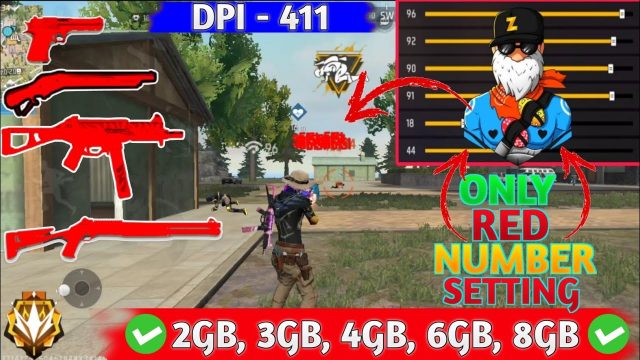
If you’ve ever felt like your shots are trailing behind enemies or your aim snaps too fast, this guide is for you. Whether you’re a thumb player, claw user, or just getting into Free Fire, tweaking your sensitivity and touch settings can make a world of difference. By the end of this post, you’ll have a personalized setup that boosts your accuracy, reduces over-aiming, and feels natural for your playstyle.
We’ll walk through the core sensitivity sliders, touch customization options, and advanced tweaks like DPI and developer options. No confusing jargon – just clear steps you can apply right now. Plus, I’ll share three common mistakes that ruin your aim so you can avoid them. Let’s dive in!
What You’ll Need
- A phone or tablet running Free Fire (or Free Fire Max)
- Your device’s settings menu accessible (for DPI adjustments if needed)
- About 10–15 minutes of uninterrupted practice time in Training Mode
- A stable internet connection to download updates if any
- Patience – finding your perfect settings takes a few rounds
Step 1: Access the Sensitivity Menu
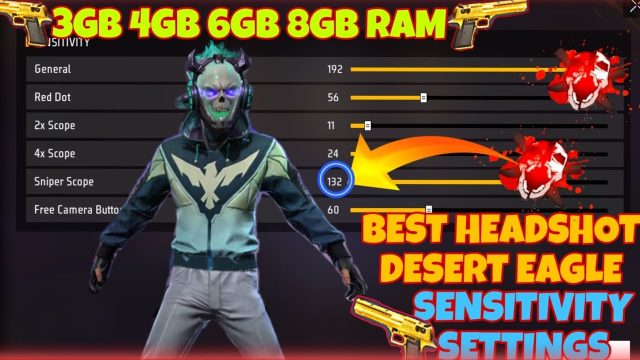
Open Free Fire and tap the gear icon (Settings) on the main screen. Go to the “Sensitivity” tab. Here you’ll see sliders for General, Red Dot, 2x Scope, 4x Scope, Sniper Scope, and Free Look. We’ll start with General – it affects all your movement and aiming when not scoped.
If you’re using a low-end device, consider checking out our guide on free fire sensitivity settings less lag to optimize performance. For higher-end phones, the best free fire sensitivity settings for flagship phones might be a better fit.
Step 2: Set Your General Sensitivity
Begin with a baseline: set General sensitivity between 60–80. Thumb players often prefer 70–85 for quick turns, while claw users might go 60–75 for more precise control. Drag the slider and test by moving your finger across the screen – the crosshair should follow smoothly without jitter. If it’s too fast, lower it; too slow, raise it.
For a deeper dive into thumb-specific setups, see our article on free fire sensitivity settings for thumb players. If you play Clash Squad often, the free fire sensitivity settings for clash squad guide offers tailored values.
Step 3: Customize Touch Controls
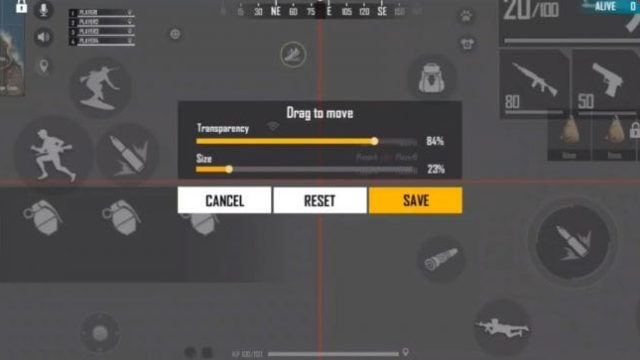
Now head to the “Controls” tab (same Settings menu). You can adjust the size and opacity of buttons, and more importantly, reposition them. Drag the fire button, aim button, and scope button to where your thumbs naturally rest. For claw players, place additional buttons (like crouch or scope) in the top corners. Make sure buttons are large enough to tap accurately but not so big they block your view.
If you prefer playing without gyroscope, our free fire max sensitivity settings without gyro guide can help you achieve similar precision with touch only.
Step 4: Fine-Tune Scope Sensitivities
Back in the Sensitivity tab, adjust each scope individually. A common rule: Red Dot = General – 10, 2x Scope = General – 15, 4x Scope = General – 20, Sniper Scope = General – 25. For example, if General is 75, set Red Dot to 65, 2x to 60, etc. This prevents over-aiming at longer ranges. Test each scope in Training Mode with the respective weapon type.
For precision sniper setups, check out our accurate free fire sensitivity settings guide. And if you’re struggling with jitter, try the free fire max sensitivity settings without gyro for a steadier aim.
Step 5: Practice in Training Mode
Enter Training Mode (from the main menu, tap the mode selector and choose Training). Use the weapons you typically use – M1014, AK, MP40, etc. Practice tracking moving targets (the bots) and flicking between dummies. Adjust sensitivity up or down by 5 points as needed. Spend at least 5 minutes here before jumping into a real match.
If you want the ultimate baseline, our best free fire sensitivity settings guide provides tested values for various playstyles.
Common Pitfalls
- Copying pro settings blindly – Pro players use high sensitivity that may be uncontrollable on your device. Always adjust to your comfort.
- Ignoring device performance – Low-end phones with high sensitivity can cause frame drops and input lag. Lower graphics and enable Developer Options for smoother touch response.
- Skipping training mode – Jumping straight into matches with new settings will ruin your muscle memory. Always test in Training first.
Avoid these mistakes and you’ll save hours of frustration. Remember, consistency beats complexity.
Where to Next
Now that your sensitivity and touch settings are dialed in, it’s time to put them to use. Play a few Classic or Clash Squad matches and see how your aim feels. Small tweaks after a few games are normal. Also, check out our other guides for specific weapons like the Groza or UMP – they have unique recoil patterns that benefit from fine-tuned sensitivities. Keep practicing and good luck!