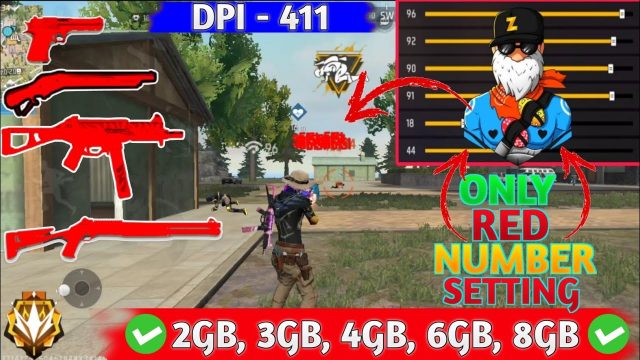
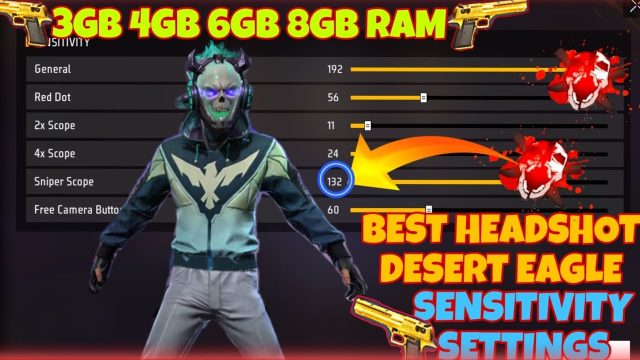
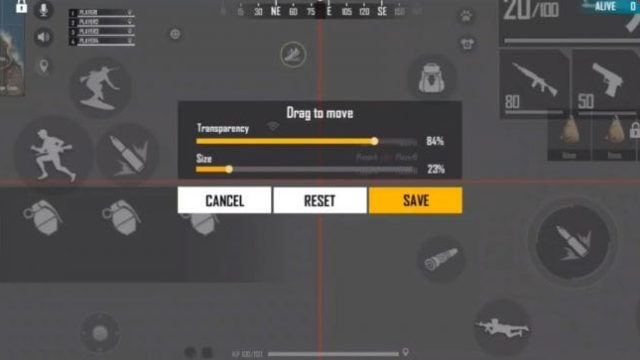
Tired of endlessly tweaking your sensitivity sliders in Free Fire? You’re not alone. Finding the perfect settings can take hours of practice. But here’s a shortcut: the Free Fire community shares their tested sensitivity presets on GitHub. This guide is for anyone who wants to skip the guesswork and copy settings from pro players and content creators. By the end, you’ll know how to find a repository, grab the numbers, apply them in-game, and tweak them for your own style.
GitHub isn’t just for code – it’s a goldmine of game configs. Many players upload their exact sensitivity values (including DPI, general, red dot, 2x, 4x, etc.) so you can import them and start playing like a pro. We’ll walk you through everything, from searching for a repo to fine-tuning the settings on your device. No coding knowledge needed.
What You’ll Need
- A smartphone with Free Fire installed (Android or iOS)
- Stable internet connection
- A GitHub account (optional, but helpful for saving favorites)
- Your device’s current DPI setting (you can find it in Display settings)
- Patience for 10–15 minutes of setup

Step 1: Find a Free Fire Sensitivity Repository on GitHub
Open your browser and go to github.com. In the search bar, type keywords like “Free Fire sensitivity settings” or “FF sensitivity preset” and hit enter. You’ll see a list of repositories. Look for ones with many stars (likes) and recent updates. Popular repositories often include presets for different devices (low-end, flagship) and play styles (thumb, claw).
Alternatively, search for specific terms like “free fire sensitivity settings high dpi” or “free fire sensitivity settings for thumb players” to narrow down results. Many repos have a README file that explains the settings and includes screenshots.
Step 2: Copy the Sensitivity Values
Once you’ve opened a repository, look for a file named something like `sensitivity.txt`, `config.txt`, or simply listed in the README. It will contain numbers for each scope: General, Red Dot, 2x, 4x, Sniper, and sometimes DPI. Take a screenshot or manually note down the values. Many repos also include comments on what device and DPI they used – pay attention to that.
If the repository includes a JSON file (e.g., `sensitivity.json`), you can download it. But for now, we’ll manually input the numbers. Make sure you also note the DPI setting if mentioned – you’ll need to match it on your phone.
Step 3: Adjust Your Device’s DPI (If Needed)
Some GitHub presets assume a specific DPI (e.g., 400 or 320). To get the same feel, you should change your phone’s DPI to match. Go to Settings > Display > Screen resolution or Display size. Alternatively, you can use Developer Options to change the minimum width (DPI). The exact path varies by phone, but a quick Google search for “change DPI on [your phone model]” will help.
If you don’t want to change DPI, look for presets that are labeled for your current DPI. For example, many players use 400 DPI for a balanced experience. You can also explore the best free fire sensitivity settings for low end phones if you’re on a budget device.

Step 4: Apply the Sensitivity Settings in Free Fire
Launch Free Fire and go to Settings (the gear icon on the lobby). Tap on Sensitivity. You’ll see sliders for General, Red Dot, 2x Scope, 4x Scope, Sniper Scope, and Free Look. Enter the values you copied from GitHub. Most presets use numbers from 0 to 100. If the GitHub preset uses a different scale (like 1–10), multiply by 10 to match the in-game slider (e.g., 8 becomes 80).
Don’t forget to also adjust the DPI setting within Free Fire if available (some versions have a DPI slider). If not, your device’s DPI override will take effect. After entering all values, tap Save.
Step 5: Test and Fine-Tune in the Training Ground
Head to the Training Ground (or a Clash Squad match) to test the settings. Practice aiming at stationary and moving targets. Does the crosshair feel too fast or too slow? If you’re overcorrecting, lower the General sensitivity by 5–10 points. If you’re dragging too slowly, increase it. Repeat for each scope until you feel comfortable.
Remember, these preset settings are a starting point. Your phone’s touch response, screen size, and personal grip all affect how they feel. The optimized free fire sensitivity settings from our guide can help you tweak further. Also check out the free fire sensitivity settings less lag if you experience stutter.
Common Pitfalls
- Blindly copying without matching DPI: If the preset was made for 400 DPI and you’re on 320, the sensitivity will feel different. Always check the DPI requirement.
- Ignoring your device’s performance: High sensitivity can cause frame drops on low-end phones. Use lag-reducing settings if needed.
- Not adjusting for your play style: A claw player needs different settings than a thumb player. Look for presets tailored to your grip.
Where to Next
Now that you’ve got your sensitivity from GitHub, why not explore more? Check out our guides on free fire sensitivity settings with touch settings for additional tweaks, or the top global free fire sensitivity settings to see what pros use. You can also learn how to pair your new sensitivity with advanced movement techniques. Happy fragging!