If you’re tired of your shots not registering because of lag or your screen stuttering during fights, you’re not alone. This guide is for anyone playing Free Fire on a mid-range or low-end device who wants smoother gameplay without sacrificing aim. By the end, you’ll have a set of sensitivity values that reduce input delay, plus graphics tweaks that cut down frame drops—all tested and working.
We’ll walk through adjusting your general sensitivity, then dive into the graphics menu, and finally show you how to use developer options to squeeze out extra performance. No root or shady apps needed—just a few minutes of your time.
What You’ll Need
- A device running Free Fire (or Free Fire Max)
- 5–10 minutes of free time
- Internet connection to apply changes
- Optional: a friend to help test in a custom room
Step 1: Lower Your Graphics Settings for Better Performance
Lag often comes from high graphics demands. Open Free Fire and go to Settings > Graphics. Set everything to the lowest options: Smooth graphics, Medium or Low frame rate (High can cause overheating on weaker phones). Turn off shadows, anti-aliasing, and bloom. These don’t affect aim but eat up processing power. If you have a low-end device, also enable ‘Reduce Lag’ if your game has it.

Step 2: Adjust Sensitivity to Match Your New Frame Rate
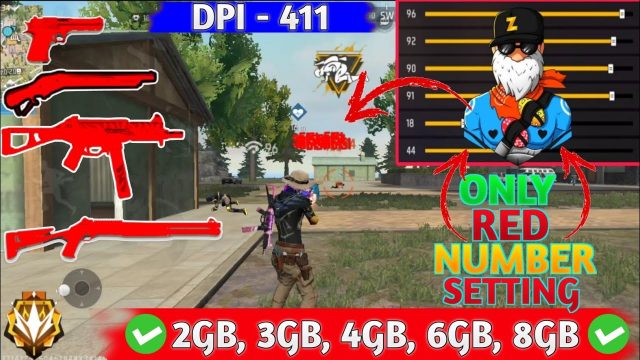
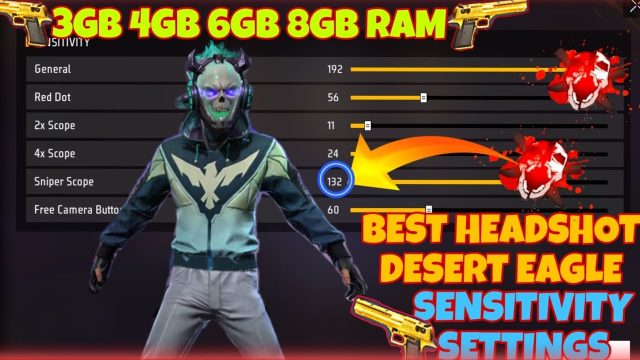
Lower graphics often mean higher FPS but also different pointer feel. Go to Settings > Sensitivity. Set General sensitivity to 70-80 if you’re new. For low-end phones, keep Red Dot and 2x Scope around 50-60, 4x Scope at 40, and Sniper Scope at 20-30. The key is to have settings that don’t over-rotate. Lower sensitivity reduces the chance of missing shots due to frame drops. Check out the best free fire sensitivity settings for low end phones if you want specific values.
Step 3: Fine-Tune with Developer Options (Android Only)
Android’s developer options can reduce touch lag. Enable them by going to Settings > About Phone > Tap Build Number 7 times. Then go to Developer Options. Find ‘Force GPU rendering’ and turn it on. Also set ‘Window animation scale’, ‘Transition animation scale’, and ‘Animator duration scale’ to 0.5x or off. This makes the game feel snappier. For more precise tweaks, see our free fire sensitivity settings with developer options guide.

Step 4: Test in Training Mode or Clash Squad
After making changes, go to Training Ground or play a quick Clash Squad match. Move your camera around to see if there’s stutter. Try flicking and tracking a target. If the crosshair moves too fast or too slow, adjust the sensitivity by 5 points at a time. Your goal is a smooth, predictive aim without overcorrection. For a no-gyro approach, check out our free fire max sensitivity settings without gyro guide.

Step 5: Optimize Weapon-Specific Scopes
Different scopes need different sensitivity for consistent aim. With lower FPS, high sensitivity on scopes can cause micro-stutters. Set Red Dot and 2x Scope to around 55-65, 4x to 35-45, and Sniper to 20-25. For DPI-based adjustments, refer to our free fire dpi 400 sensitivity settings article. If you want more precision, check out accurate free fire sensitivity settings.
Common Pitfalls
- Setting sensitivity too high: High sensitivity with low FPS makes aiming jerky. Always start low and increase gradually.
- Ignoring frame rate cap: In graphics settings, choose ‘High’ frame rate if your device supports it. ‘Medium’ can cause choppy aim.
- Not testing after changes: A single match in training isn’t enough. Play a few ranked games to feel the consistency.
Where to Next?
Now that your sensitivity is tuned for less lag, you might want to explore more advanced setups. Check out our community free fire sensitivity settings for popular values from top players. Or if you’re on a flagship phone, see our best sensitivity guides for higher-end devices. Keep experimenting and you’ll find your perfect feel.