If you’re a Free Fire player who’s tired of slow, sluggish aim or inconsistent touch response, this guide is for you. Whether you’re a casual gamer or grinding for rank, the right sensitivity settings can make your movements snappy and your shots land. By the end of this step-by-step tutorial, you’ll have a personalized sensitivity setup that feels natural, reduces recoil, and gives you that instant touch feedback when you need it most.
We’ll walk through every setting from general sensitivity to scope adjustments, and show you how to test them in the training grounds. No fluff—just practical, tested settings that work on most devices. Ready to transform your gameplay? Let’s dive in.
What You’ll Need
- Free Fire installed and updated (latest version recommended)
- A device with a responsive touch screen (smartphone or tablet)
- Access to the in-game settings menu
- A few minutes in the Practice Mode or a custom room
- Optional: a friend to help test reaction times
Step 1: Accessing Sensitivity Settings
Open Free Fire and tap on the gear icon at the top-right of the lobby screen. Then go to ‘Sensitivity’ under the ‘Controls’ tab. Here you’ll find all the sliders you need. If you’ve never touched them before, don’t worry—we’ll start from scratch.

Step 2: Setting General Sensitivity
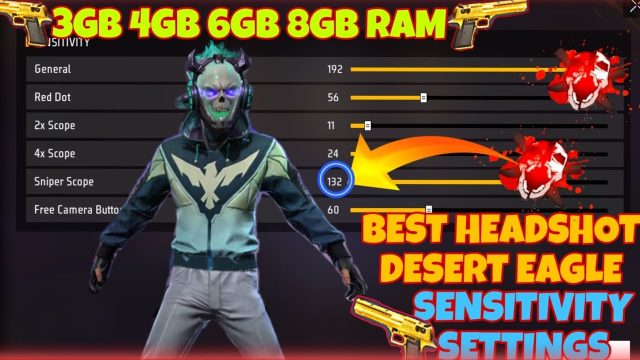
General sensitivity affects your overall camera movement and free look. For touch response, you want it high enough to react quickly but not so high you lose control. Start with these values and adjust based on your feel: General: 85-90, Red Dot: 75-80, 2x Scope: 60-70, 4x Scope: 50-60, Sniper Scope: 40-50, Free Look: 75-80. These are a solid baseline for most players. If you prefer a more aggressive style, check out tested free fire sensitivity settings for alternative numbers.
Step 3: Adjusting Touch Response (Red Dot and Scope)
Touch response in Free Fire is largely about how quickly your crosshair moves when you drag your finger. The Red Dot sensitivity is crucial for close- to mid-range fights. Set it between 75-85 and test your flick shots. For scopes, higher numbers give faster movement but can make precise aiming harder. Aim for a balance—for example, 2x scope at 65 and 4x at 55. Remember, you can always fine-tune later.
Step 4: Fine-Tuning Aim and Recoil
If you’re struggling with recoil, lowering your general and scope sensitivity slightly can help—but don’t drop too low or your touch response suffers. Try reducing each slider by 5 points and test in the firing range. For rapid headshots, you want a setup that lets you drag up smoothly. Our free fire sensitivity settings for quick headshots guide can give you a dedicated numeric table. And for reducing vertical spray, check the free fire sensitivity settings less recoil article.
Step 5: Testing in Practice Mode
Head to the Practice Mode (or Training Grounds) to test your new settings. Start by checking your crosshair placement—does it feel smooth when you snap to targets? Try moving while aiming; if the screen jerks, lower the sensitivity. Spend 5-10 minutes shooting at dummies and running diagonal patterns. This is the best way to see if your touch response is dialed in.
Step 6: Adjusting Based on Gameplay (Rush vs. Peek)
Different playstyles need different tweaks. For aggressive rushing, keep your general and red dot sensitivity higher (90+) to turn on enemies quickly. For peeking shots, slower scope sensitivity (around 50) helps you hold angles without overshooting. Read our free fire sensitivity settings for rush gameplay for more aggressive setups, and the advanced free fire sensitivity settings for tournament-level fine-tuning.

Common Pitfalls
- Over-reducing sensitivity: Players often lower too much to control recoil, making touch response sluggish. Keep general above 80 and adjust scope individually.
- Ignoring DPI: Your phone’s DPI affects how sensitivity feels. If using a high DPI device, lower your in-game sliders by 10-15% for consistent feel.
- Not testing in real matches: Practice mode is great, but network lag and pressure change your muscle memory. Play a few ranked games before finalizing. If you mess up, learn how to reset free fire sensitivity settings to default.
Where to Next
Now that you’ve optimized your touch response, try applying these settings in squad or clash squad modes. For team-based tweaks, explore our free fire sensitivity settings for squad mode guide. Keep practicing, and don’t be afraid to adjust your numbers as you improve. Happy fragging!