If you’re tired of spraying bullets and missing headshots in Free Fire, this guide is for you. Whether you’re a beginner struggling with aim or an intermediate player wanting to rank up, tweaking your sensitivity settings is the fastest way to improve. By the end of this post, you’ll have a custom sensitivity setup that helps you snap onto enemies’ heads consistently.
We’ll cover everything from basic sensitivity sliders to advanced options like DPI and gyro. You’ll learn exactly what each setting does and how to adjust it for quick headshots. No fluff, just actionable steps that work on most devices.
What You’ll Need
- A device running Free Fire (Android or iOS).
- Stable internet connection (ping under 100 ms recommended).
- 5–10 minutes of free time in the training mode.
- Optional: a stylus or high-DPI mouse if playing on emulator.
Step 1: Reset Your Current Sensitivity
Before making changes, reset your sensitivity to default. This gives you a clean slate. Go to Settings > Sensitivity and tap ‘Reset’ at the bottom. If you’ve messed around a lot, this clears any weird values.
Step 2: Set General Sensitivity for Quick Flicks
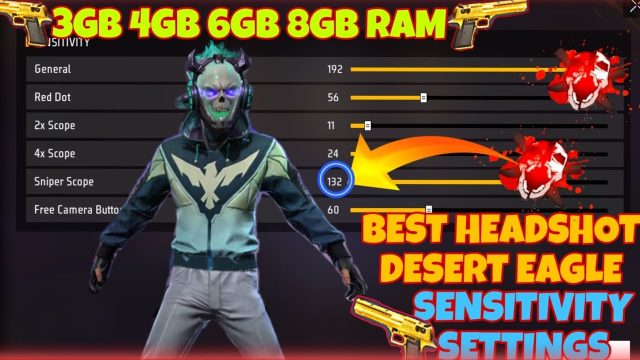
General sensitivity controls how fast your screen moves when you swipe. For headshots, you want it high enough to flick but low enough to control. Start at 90–100. Move to training mode and practice flicking onto a bot’s head. If you overshoot, lower it by 5. If you undershoot, raise it. Most pros use 95–100.

Step 3: Fine-Tune Red Dot and 2x Scope Sensitivity
These scopes are common in close-to-mid range fights. Set red dot sensitivity to 85–95, and 2x scope to 80–90. The idea is to keep it slightly lower than general for better precision. Jump into Clash Squad and test with an AR like the SCAR or M4. If you can’t track heads, lower by 5.
Step 4: Enable and Adjust Gyro Sensitivity (Optional)
Gyro uses your phone’s rotation to aim. It’s a game-changer for headshots once you get used to it. Turn on gyro and set its sensitivity to 50–70 initially. Practice tilting your phone to line up headshots. If you feel motion sickness, lower it. For more on this, check our dedicated guide on gyro sensitivity.

Step 5: Optimize DPI Settings for Your Device
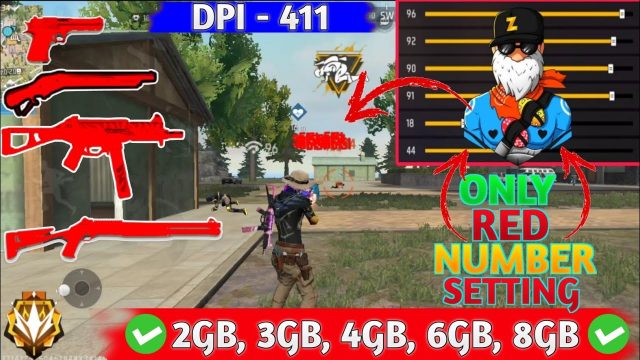
DPI (dots per inch) affects pointer speed in the game. On mobile, you can’t change DPI natively, but you can use a sensitivity helper app or adjust your phone’s display settings (Developer Options > Smallest width). Lower DPI makes your crosshair move faster. For headshots, a DPI between 320 and 400 works well. Refer to our guide on DPI settings for a full breakdown.

Step 6: Test and Adjust in Training Mode
Hop into training mode and shoot at moving targets. Focus on headshots only. If you’re hitting mostly body, raise your general sensitivity slightly. If you’re missing entirely, lower it. Repeat until you can consistently land headshots within 2–3 shots. Record a practice session to review your crosshair placement.

Common Pitfalls
- Copying pro settings blindly: Pro players use high sensitivities but also have precise muscle memory. Start from our base and adjust to your comfort.
- Ignoring stable FPS: Even perfect sensitivity won’t help if your game lags. Make sure you have stable FPS settings enabled to avoid stutter.
- Changing too many settings at once: Tweak one slider at a time. Changing everything leads to confusion and inconsistent aim.
Where to Next
Now that you’ve dialed in your sensitivity for headshots, take it to ranked matches. For more advanced setups, check out our pro sensitivity settings or explore camera control settings to improve your field of view. Remember, practice makes perfect. Good luck, and see you in the game!