If you’re tired of losing peek battles in Free Fire – you know, those quick jukes around a corner where you land one shot and duck back – then this guide is for you. Peek shots rely on pinpoint crosshair placement and lightning-fast flicks, and your sensitivity settings make or break that move. Whether you’re a ranked warrior or a casual player looking to climb, by the end of this post you’ll have a set of sensitivity values tailored for peek shots, a testing routine to fine-tune them, and the knowledge to avoid the most common pitfalls.
We’re going step-by-step, so no prior experience with custom settings is needed. You’ll learn exactly which in-game sliders to adjust, how to test them in the training ground, and how to adapt for your device and playstyle. By the time you’re done, you’ll be peeking like a pro – hitting headshots and staying safe behind cover.
What You’ll Need
- A device running Free Fire (Android/iOS) with a stable internet connection
- Access to the training ground (in-game practice mode)
- A few minutes of uninterrupted practice per session
- Basic familiarity with the Free Fire settings menu
- Optional: A DPI tool or app if you want to adjust DPI settings for finer control
Step 1: Understanding Peek Shots and Why Sensitivity Matters
A peek shot is when you quickly expose yourself from behind cover, fire, and immediately retreat. The goal is to land a clean shot – preferably a headshot – before the enemy can react. Your sensitivity controls how fast your crosshair moves when you swipe or tilt your device. For peek shots, you need a balance: high enough to flick onto the target quickly, but low enough to stay precise. Too high, and you’ll overshoot; too low, and you’ll be too slow. Most pro players run a sensitivity that’s a bit higher than their usual setting for quick scoping. This guide gives you a baseline that works for most devices.
Step 2: Accessing the Sensitivity Settings
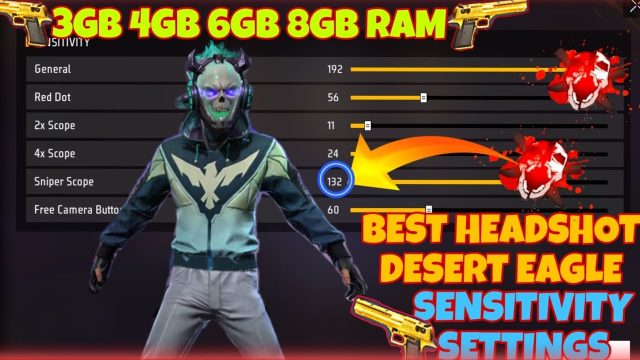
Open Free Fire and go to the main lobby. Tap the gear icon (Settings) in the top-right corner, then select the “Sensitivity” tab. You’ll see sliders for General, Red Dot, 2x Scope, 4x Scope, Sniper Scope, and Free Look. For peek shots, we’re mostly concerned with General and Red Dot sensitivity, since most peek engagements happen at close to medium range with iron sights or a red dot. If you use a scope for longer peeks, adjust those later.
Step 3: Recommended Sensitivity Values for Peek Shots
Start with these baseline values. They’re tested on a mid-range device (4GB RAM) with a standard touchscreen. If you’re on a tablet or use a high-DPI setup, adjust accordingly – we’ll cover that in Step 5.
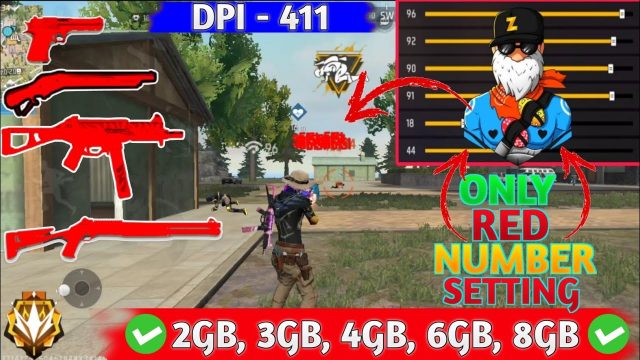
- General: 85–90 (high for quick flicks)
- Red Dot: 80–85 (slightly lower for precision)
- 2x Scope: 70–75
- 4x Scope: 50–60
- Sniper Scope: 30–40
- Free Look: 70–80 (helps with awareness)
These values are a starting point. Some pros use even higher General sensitivity (95+), but that takes practice to control. If you’re coming from a lower sensitivity, increase in small steps (5 at a time) until you feel comfortable but still able to flick accurately.
Step 4: Testing in the Training Ground
Now go to the training ground (tap Practice from the lobby, then select Training Ground). Find a wall or a set of targets. Practice peeking from behind a barrier: strafe out, aim at a target’s head, shoot, and strafe back. Repeat 10–20 times. Note how often you overshoot or undershoot. If you consistently overshoot, lower your General sensitivity by 5. If you’re too slow, increase by 5. For red dot precision, do the same with the Red Dot slider. Spend at least 10 minutes per session for a few days until the settings feel natural.
Step 5: Fine-Tuning for Your Device
Device performance and screen size affect sensitivity. On a large tablet, you may need lower sensitivity because your swipe covers more distance. For devices with 4GB RAM or less, ensure stable FPS – see our guide on free fire sensitivity settings stable fps. If you’re using a high-DPI setup, adjust your in-game sensitivity proportionally lower; you can also use DPI settings to get finer control. For touchscreen players, avoid overly oily fingers; a gaming screen protector can help. If you use gyro, consider setting Gyro sensitivity to 50–70 for peek shots – it adds a layer of micro-adjustment. Our free fire sensitivity settings with gyro guide has more details.
Common Pitfalls
- Setting sensitivity too high: High sensitivity feels flashy but causes overshooting. If you can’t land two consecutive headshots in training, dial it down.
- Ignoring DPI or device differences: What works on a friend’s phone may not work on yours. Always test and adjust. Neglecting DPI settings can leave you stuck with slidey or sluggish aim.
- Not practicing consistently: Peek shots are muscle memory. Even with perfect sensitivity, you need daily practice in the training ground for at least a week.
Where to Next
Now that you’ve dialed in your peek shot sensitivity, take it to the battlefield. For more advanced tweaks, check out our guides on quick headshot sensitivity, pro sensitivity settings, camera control sensitivity, DPI settings, touchscreen sensitivity, and battle royale sensitivity. Each one builds on the basics you’ve learned here. Keep practicing, and you’ll be peeking like a champ in no time.