Do you ever feel like your aim is lagging behind your finger? That slight delay between touching the screen and your crosshair moving is called touch delay, and it can ruin your shots in Free Fire. This guide is made for players who struggle with sluggish controls, whether you’re on an older phone or just want silky-smooth aim. By the end, you’ll have a tested sensitivity profile that minimizes touch delay and makes your gameplay feel snappy.
We’ll walk you through adjusting general sensitivity, scope sensitivity, and even touch some advanced DPI settings. If you haven’t already, check out the best free fire sensitivity settings for beginners to understand the basics. Ready to banish touch delay? Let’s dive in.
What You’ll Need
- Free Fire installed on your Android or iOS device
- A stable internet connection to test in ranked or training ground
- Notepad (or memory) to record your current settings before changing
- Optionally, a screen recorder to compare before/after responsiveness
Step 1: Reset Your Current Sensitivity to Default
Start fresh. Touch delay can be masked by overly high or low sensitivities. Head to Settings > Sensitivity and tap “Reset to Default.” This clears any conflicting tweaks. Jot down your old numbers if you want to revert.
Step 2: Bump Up General Sensitivity
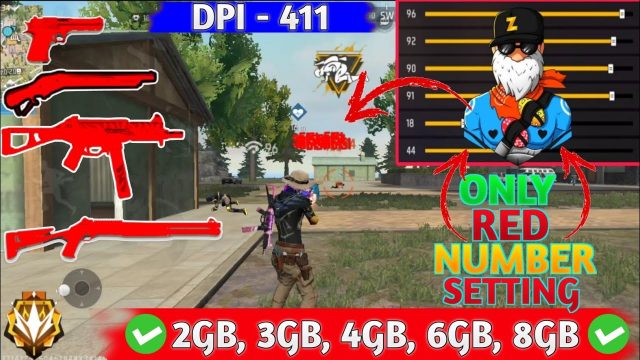
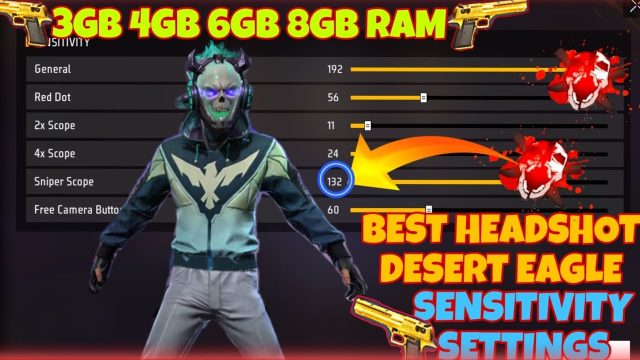
Touch delay feels worse when the game doesn’t register small swipes. To compensate, raise your General sensitivity to 90–100. This makes the crosshair move more with less finger motion. Test it: swipe lightly; your aim should respond instantly. If it still feels sluggish, try 100.
Step 3: Optimize Red Dot and 2x Scope Sensitivity
These scopes are used in most fights. Set Red Dot to 85–95 and 2x Scope to 80–90. Higher values reduce the perceived delay because the game’s response curve kicks in faster. If you spray a lot, the free fire sensitivity settings spray recoil guide will help you fine-tune further.
Step 4: Adjust DPI for Extra Precision (Optional)
If your phone supports DPI adjustment (Game Booster or developer options), a moderate DPI like 600–800 can reduce touch delay by making each pixel smaller. Try the free fire dpi 600 sensitivity settings for a balanced profile. Don’t go over 900 unless you have a high-end device; it can cause jitter.

Step 5: Test and Refine in Training Ground
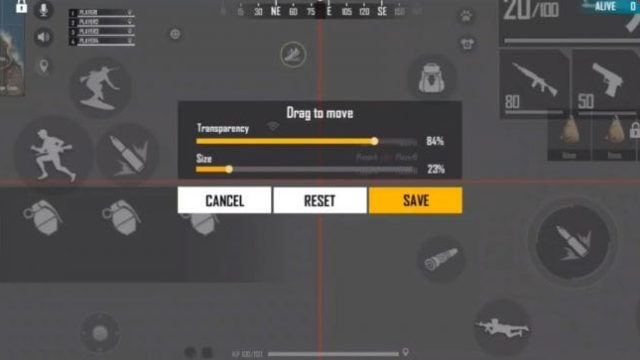
Open the training ground and practice flicking between dummies. If you feel any delay, increase the corresponding sensitivity by 5 points. Also, confirm your HUD matches your new settings – learn how to match hud with free fire sensitivity settings to avoid misalignment. Once it feels smooth, hop into a quick Clash Squad match.

Common Pitfalls
- Overcompensating with extreme sensitivity (over 100) – This can make aim jittery, especially on high-DPI screens. Stick to the ranges above.
- Ignoring aim assist – If you turn aim assist off, touch delay feels worse. Keep it on while testing.
- Not testing in actual matches – Training ground feels different from a real BR lobby. Always adjust after a couple of ranked games.
Where to Next
Now that your touch delay is under control, you can copy setups from pros in the famous player free fire sensitivity settings article. Or, if you record gameplay, check out free fire sensitivity settings for content creators for smoother footage. Remember, every phone is different, so tweak as needed. Good luck out there!