If you’re new to Free Fire and your shots keep missing, you’re not alone. The default sensitivity settings are often too high or too low for most beginners, making it hard to control recoil or track enemies. This guide is for anyone who wants a solid starting point—no pro experience needed. By the end, you’ll have a balanced sensitivity setup that you can tweak as you improve.
We’ll walk through each sensitivity slider step-by-step, explain what each one does, and give you numbers that work for most devices. You’ll also learn how to test your settings in the training ground and avoid common mistakes. Plus, we’ll link to more advanced guides like this sensitivity settings tutorial and spray recoil sensitivity for later.
What You’ll Need
- Free Fire installed on your phone or tablet (iOS/Android)
- A stable internet connection
- Access to the in-game settings menu (gear icon in the lobby)
- Ability to enter the training ground (found in the game modes)
- Patience to test and adjust—finding your perfect sensitivity takes a few minutes
- Optional: a second device or screen recording to compare changes
Before we dive in, remember: sensitivity is personal. The numbers here are a baseline. You might need to increase or decrease them based on your playstyle and device. For example, if you have a high-refresh-rate screen, you might want slightly lower values. Check out our guide on sensitivity settings for teens if you’re on a mid-range device.
Step 1: Open the Sensitivity Settings
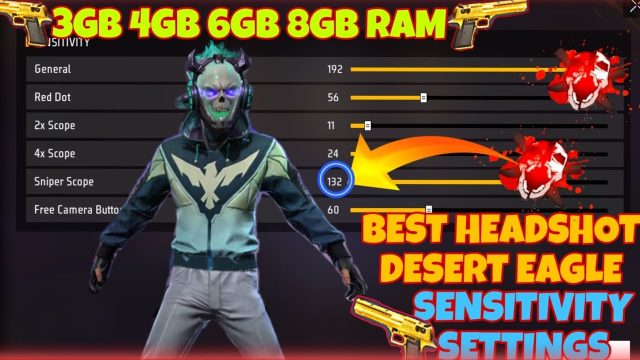
Launch Free Fire and tap the gear icon on the home screen. Navigate to the ‘Sensitivity’ tab. You’ll see sliders for General, Red Dot, 2x Scope, 4x Scope, Sniper Scope, and Free Look. If you’re on an emulator or using a controller, the layout might differ, but these same principles apply. Take a screenshot of your default values so you can revert if needed.

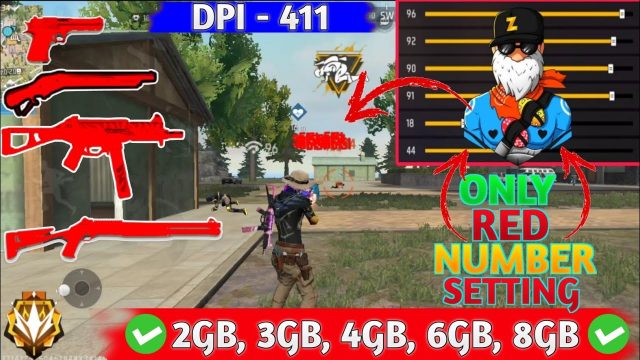
Step 2: Set General Sensitivity to 80-90
The General slider controls your overall aim and camera movement when not using a scope. For beginners, a value between 80 and 90 is ideal. It’s fast enough to turn around quickly but not so twitchy that you overshoot targets. If you’re using a device with a lower DPI or small screen, lean toward 90; for larger tablets, 80 might feel better. You can also combine this with auto headshot settings for Poco if you have that model.

Step 3: Red Dot Sensitivity – 75 to 85
Red Dot sight is used with ARs and SMGs at medium range. Set it between 75 and 85. This gives you enough speed to flick onto enemies without losing control. If you play aggressively (close combat), go higher; if you prefer holding angles, go lower. Remember to test after every change.
Step 4: Scope Sensitivities – 60 to 70
For 2x, 4x, and Sniper scopes, keep values lower because you’re aiming at distant targets. Start at 60 for 2x, 65 for 4x, and 70 for Sniper. These settings prevent your crosshair from jumping around when you zoom in. If you’re using a scope for long-range sprays, check our spray recoil sensitivity guide for fine-tuning.

Step 5: Free Look Sensitivity – 50 to 60
Free look lets you pan the camera while running or driving. A lower sensitivity (50-60) keeps it smooth and prevents disorientation. This is especially useful when scouting open areas or escaping the zone.
Step 6: Test and Fine-Tune in Training Ground
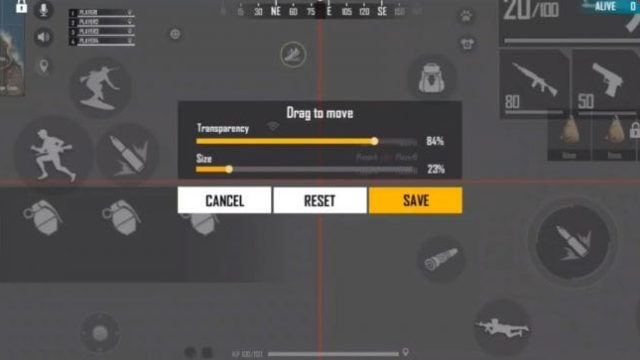
Head to the training ground by selecting it from the game modes. Pick an AR like the M4A1 or AK and practice spraying at targets at different ranges. If your crosshair drifts too much, lower the general or red dot sensitivity. If you can’t track moving targets, increase a bit. Make small changes (2-3 points at a time) and test again. Also, pay attention to your HUD layout—matching HUD with sensitivity can improve your consistency.
Common Pitfalls
- Copying pro settings blindly without adjusting for your device or playstyle. Pro players often use very high sensitivity that’s hard to control. Instead, start with the baseline and tweak slowly. You can compare with famous player sensitivity configs after you have a feel.
- Changing too many values at once. If you alter General, Red Dot, and Scopes all together and your aim feels worse, you won’t know which slider caused it. Change only one slider per round of testing.
- Ignoring device performance. Low-end phones may skip frames at high sensitivity. If you experience lag or stutter, lower your settings. Also keep your phone charged and free from background apps.
Where to Next?
Now that you have a solid sensitivity foundation, practice regularly in ranked matches. Try different weapons and situations to see how your settings feel. As you improve, you might want to specialize: for example, if you love sniping, adjust your scope sensitivity. Keep an eye on our other guides, like sensitivity settings for teens for device-specific tips, and remember to have fun. Good luck out there!