If you’re tired of missing shots in Free Fire and want to hit those crisp headshots, you’ve come to the right place. This guide is for players who already know the basics but can’t seem to get their aim consistent. By the end, you’ll have a set of sensitivity settings you can tweak for pinpoint accuracy.
Precision aim isn’t about a magic number—it’s about balancing speed and control. We’ll walk you through each sensitivity slider, explain what it affects, and give you starting points you can test in training mode. Let’s dive in.
What You’ll Need
- A device running Free Fire (Android or iOS) with at least 4GB RAM for smooth performance.
- A stable internet connection (ping below 100ms).
- Access to Free Fire’s training mode (under ‘Training’ in the main menu).
- 10–15 minutes of uninterrupted practice time.
- Patience—your aim won’t improve overnight.
Step 1: Understanding Sensitivity Basics
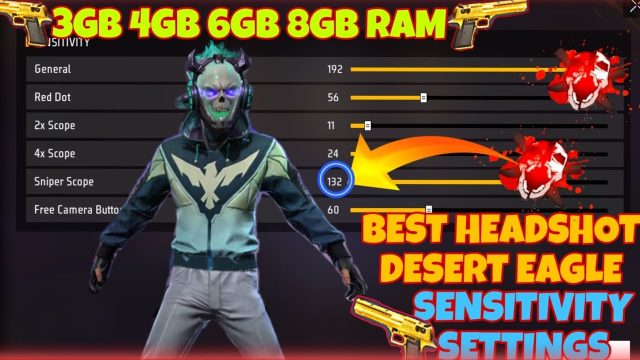
Free Fire’s sensitivity menu has several sliders: General (camera movement), Red Dot, 2x Scope, 4x Scope, Sniper Scope, and Free Look. For precision aim, you’ll focus on General and Red Dot because most fights happen at close to medium range. Higher values = faster turning but less control; lower values = slower but more precise. The key is finding your sweet spot.
Step 2: Reset to Default
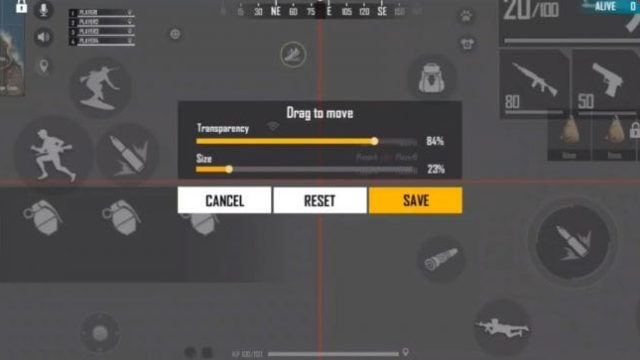
Before making changes, go to Settings > Sensitivity and tap ‘Reset’ to clear any previous adjustments. This gives you a clean slate. Then set fire button size and position to your preference (I recommend a transparent button on the right side).
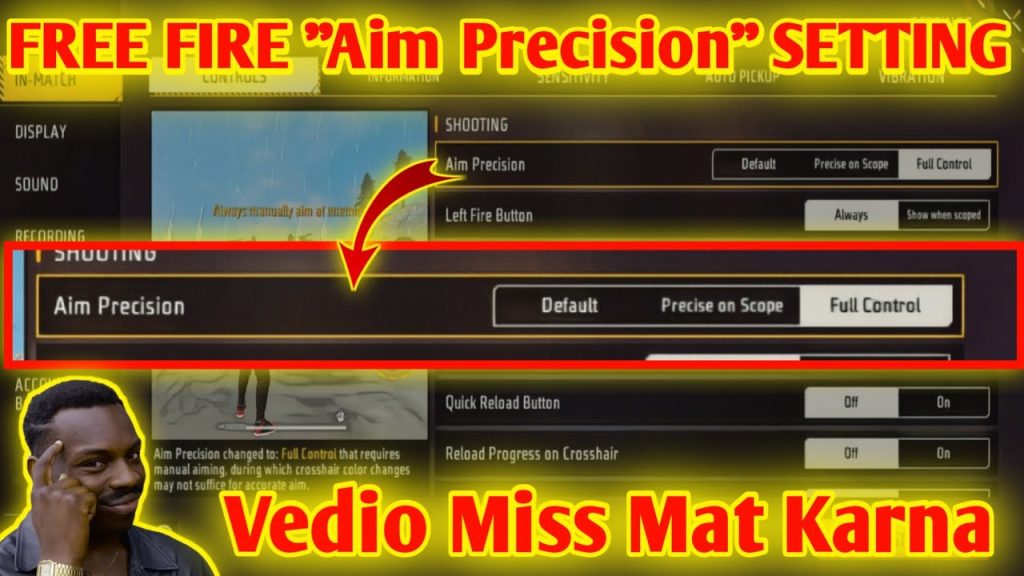
Step 3: Set General Sensitivity
General sensitivity controls your camera when not aiming down sights. For precision, start at 80–90 if you have a steady hand, or 70–80 if you’re prone to overshooting. Test by spinning quickly—if you can’t stop where you want, lower it. If you can’t turn fast enough to track a target, raise it. Write down your starting value.
Step 4: Adjust ADS Sensitivity
ADS (Aim Down Sights) sensitivity is separate for each scope. For red dot (most used), try 50–60. For 2x, 40–50. For 4x, 30–40. These lower values help you micro-adjust for headshots. Go into training mode and strafe left-right while trying to keep your crosshair on a stationary target. If you over-correct, lower the scope sensitivity. If you can’t keep up, raise it a notch.
Step 5: Fine-Tune for Precision
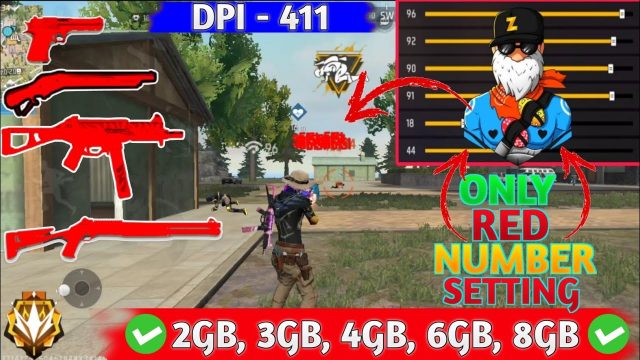
Gyroscope can be a game-changer. Enable it and set sensitivity to around 30–50 for both general and ADS. This lets you tilt your phone for minute adjustments. Also check your DPI: if your device supports it, higher DPI (like DPI 700 sensitivity) gives smoother movement. Some players find that streamer settings or advanced settings include gyro tweaks—experiment to see what feels natural.
Step 6: Test and Tweak
Now play a full match in Classic or Clash Squad. Focus on your aim during fights. Did you miss because you overshot? Lower the relevant sensitivity. Did you undershoot? Raise it. Record your gameplay if possible to spot patterns. After 5–10 matches, you’ll have a set of numbers that work for you. Pro player sensitivity isn’t one-size-fits-all—yours will be unique.
Common Pitfalls
- Setting sensitivity too high: You’ll flick past enemies. Stick to the lower end until you build muscle memory.
- Ignoring gyroscope: Even at low values, gyro helps with micro-adjustments. Enable it and keep default settings.
- Not testing in real matches: Training mode is controlled—you need pressure to truly test. Play ranked and adjust after losing fights.
Where to Next?
Now that you have a solid baseline, you can explore other tweaks. Check out our guide on sensitivity for frame drops if your game stutters, or dive into less recoil sensitivity for spray control. Remember, consistency is key. Keep practicing, and you’ll see your K/D rise. Good luck out there!