Tired of your shots flying everywhere? You’ve probably tried copying a pro’s sensitivity numbers, only to end up with worse aim. Every phone, every thumb size, and every play style is different — that’s why custom settings matter. This guide will walk you through finding your own sweet spot, step by step. By the end, you’ll have a sensitivity setup that feels natural and helps you land more shots.
I’m going to assume you’ve been playing Free Fire for a while and you know the basics — how to enter settings, what the training ground is, etc. We’ll start from scratch, so even if you’ve messed up your sensitivity sliders before, you can reset and build a setup that works for you. Stick with me, and you’ll never have to rely on random presets again.
What You’ll Need
- Free Fire or Free Fire Max installed on your phone
- A stable internet connection (ping below 100ms)
- At least 15 minutes of uninterrupted practice time
- A notepad or note app to write down your preferred numbers
- Optional: a second device to record your gameplay for review
Step 1: Reset to Default and Understand the Sliders
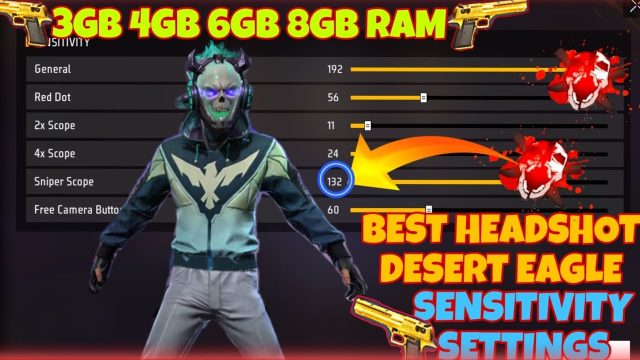
First, open Free Fire and go to Settings > Sensitivity. If you’ve been tinkering, tap the “Reset” button at the top right to start fresh. The default settings are balanced for most players. Now let’s understand what each slider does:
- General: affects all scopes when hip-firing and movement.
- Red Dot: sensitivity when using red dot sight.
- 2x Scope: for the 2x scope attachment.
- 4x Scope: for the 4x scope.
- Sniper Scope: for AWM, Kar98k, etc.
- Free Look: camera movement while running or in vehicles.
Write down your default numbers before changing anything. If you ever need a fresh start, check our guide on how to reset free fire sensitivity settings. For this tutorial, we’ll build from these defaults.
Step 2: Warm Up in Training Ground
Head to the Training Ground and pick an assault rifle (like M4A1 or SCAR). Don’t use any scope attachments yet. Fire at a stationary target while moving left and right. Notice if your crosshair overshoots or under-shoots. If you’re over-aiming, your general sensitivity is too high. If you’re under-aiming, it’s too low. Adjust incrementally — change General by 5 points and test again. Repeat until you can track a stationary target smoothly.
Once you’re comfortable with stationary targets, practice tracking moving bots. This helps you understand how your sensitivity behaves with quick swipes. Many players find a good starting point in our tested free fire sensitivity settings, but remember to fine-tune for your own device.
Step 3: Adjust Scope Sensitivities
Now attach a red dot sight. The red dot sensitivity should feel similar to your general, but a bit lower for precision. A common ratio is General at 80-100 and Red Dot at 70-90. Test in Training Ground by aiming at head-level targets. If you flick too far, lower the red dot value. If you can’t keep up with a moving target, raise it. Repeat for 2x, 4x, and sniper scopes. For snipers, many pros use low sensitivity (20-40) to avoid sway. Our free fire max sensitivity settings for pro players might give you a starting point, but always tweak.
For scope sensitivities, the goal is consistency. You want all your scopes to require roughly the same muscle memory. If you’re struggling with recoil control, consider modifying the values — we have a guide on free fire sensitivity settings less recoil that may help.
Step 4: Fine-Tune in Real Matches
After training, hop into a Clash Squad or ranked match. Your sensitivity may feel different under pressure. Play at least 3 matches and note any issues: are you over-tracking when enemies strafe? Is your flickshot consistent? Adjust one slider at a time. For example, if you’re missing close-range hip-fire shots, increase General by 5. If your sniper scope feels jittery, lower it by 10. Keep a log of changes.
Don’t change multiple sliders between matches — that makes it impossible to know what worked. Stick with the same values for at least a day. If you experience frame drops, your sensitivity might feel different — check our free fire sensitivity settings for frame drops guide for tips.
Common Pitfalls
- Copying pro settings blindly – your device size, screen refresh rate, and hand size matter more than theirs.
- Changing too many values at once – you’ll never know which adjustment helped or hurt.
- Ignoring device performance – low FPS makes high sensitivity feel sluggish; adjust accordingly.
Where to Next
Now that you have a custom sensitivity that fits you, it’s time to master other skills. Check out our advanced free fire sensitivity settings for competitive play, or explore guides on movement, map awareness, and gun combos. Remember, sensitivity is personal — keep tweaking until it feels like an extension of your thumb. Happy hunting!