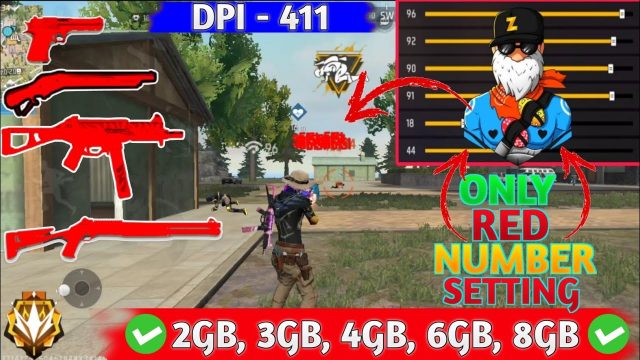
Whether you’re a newbie or a veteran looking to level up your game, getting your sensitivity settings right is the cheat code to better aim and faster reactions. This guide is for anyone who wants to use the top global Free Fire sensitivity settings—the same ones pro players around the world swear by. By the end, you’ll have a personalized sensitivity setup that works for your device and playstyle, helping you win more gunfights and climb the ranks.
We’ve tested the most popular global sensitivity configurations from top regions (Indonesia, Brazil, India, etc.) and boiled them down into a simple step-by-step process. You won’t need to copy numbers blindly—you’ll understand what each slider does and how to tweak them for your own device. Let’s get started!
What You’ll Need
- Your smartphone (any brand, but knowing your device’s specs helps)
- Free Fire or Free Fire Max installed (latest version)
- Access to the training grounds (free to use)
- 10-15 minutes of uninterrupted time
- Patience to test and adjust—don’t rush!
Step 1: Understand the Sensitivity Sliders
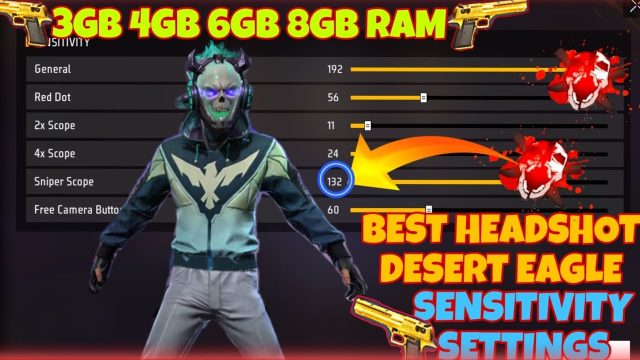
Before changing anything, you need to know what each option controls. In Free Fire, sensitivity settings are divided into General, Red Dot, 2x Scope, 4x Scope, Sniper Scope, and Free Look. General affects all non-scoped shooting, while the scope-specific ones control aim down sights. Free Look is for looking around while running or in vehicles. The top global settings usually keep General high (90-100), Red Dot high (85-95), and lower for higher zoom scopes to maintain accuracy.

Step 2: Apply a Global Pro Base Settings
Start with a popular base that works for most players. Based on the best Free Fire sensitivity settings used by top global players, try these numbers: General 95, Red Dot 90, 2x Scope 80, 4x Scope 65, Sniper Scope 50, Free Look 80. These aren’t final—they’re a starting point. Enter the training grounds and test how they feel. If you’re a thumb player, you might want to check out thumb player sensitivity settings for a more tailored starting point.
Step 3: Fine-Tune for Your Device
Not all devices are created equal. A flagship phone handles high sensitivity smoothly, while a low-end device might lag. If you experience frame drops, consider sensitivity settings for less lag to reduce the load. Adjust your DPI settings in developer options if needed—the professional Free Fire sensitivity settings often pair with a DPI around 480. Test by moving quickly and checking for stutter.
Step 4: Test in Training Grounds
Use the training ground to practice drag shots, sprays, and flick shots. Focus on recoil control: if your crosshair jumps too much, lower the scope sensitivities; if you can’t track enemies, raise General. Also adjust your camera sensitivity settings to balance look speed and precision. The community sensitivity settings shared by players can give you alternative values to compare.
Step 5: Test in Real Matches and Adjust
Now take your settings into Clash Squad or BR. Play 2-3 matches and note what feels off. Maybe you’re overshooting targets or having trouble with mid-range sprays. Make small adjustments (5% at a time) and retest. Remember: there’s no one-size-fits-all. The goal is a setup that feels natural for your muscle memory.
Common Pitfalls
- Copying settings exactly from a pro video without testing: Their device, playstyle, and grip are different. Always use their numbers as a baseline, not a final answer.
- Changing sensitivity every game: This prevents muscle memory from forming. Stick with a setup for at least a full day of play before tweaking.
- Ignoring device limitations: High sensitivity + low FPS = disaster. If your phone lags, lower those numbers even if they seem ‘pro’.
Where to Next?
You’ve got a solid global sensitivity setup now. Next, work on your movement and game sense. Check out our guides on best Free Fire sensitivity settings for different weapon types and other tips to dominate the battlefield. Keep practicing, and see you in the top 10!