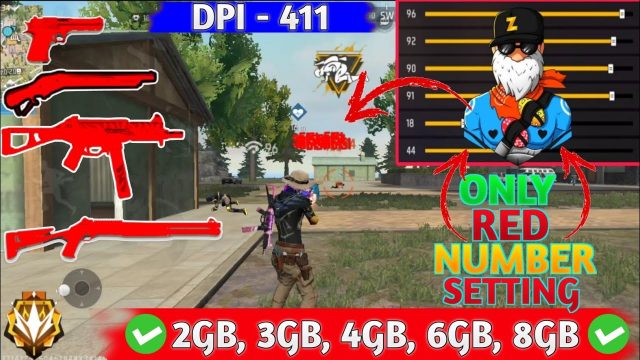
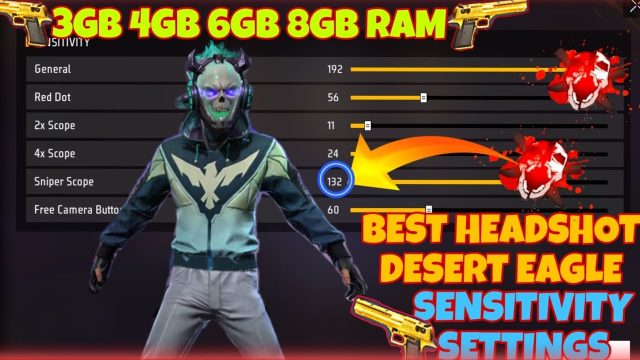
If you’re tired of your SMG shots spraying all over the place—missing that easy kill at close range—you’re in the right spot. This guide is for every Free Fire player who wants to turn their MP40, Vector, or UMP into a laser beam. By the end, you’ll have a set of sensitivity settings tailored for SMG recoil control, plus a simple method to test and adjust them in a custom room.
We’re not just giving you numbers and calling it a day. You’ll learn why those numbers work, how to tweak them for your phone and playstyle, and what common mistakes to avoid. Whether you’re a Bronze or a Grandmaster, these tips will help you win more close-range fights. Ready to stop the spray? Let’s dive in.
What You’ll Need
- Free Fire account (obviously)
- A device that runs Free Fire smoothly (preferably 60 FPS)
- 15–20 minutes of free time to test settings
- Access to a custom room (you can create one with a friend or use the training grounds)
- Notepad or phone memo to save your settings
Step 1: Reset to Default and Understand the Sliders
Before copying any pro config, go to Settings > Sensitivity and hit ‘Reset to Default’. This gives you a clean slate. SMGs need higher sensitivity for fast tracking but lower for fine aim. The key sliders are: General (camera movement), Red Dot, and 2x Scope. Leave 4x and higher alone—you won’t use them with SMGs. If you’re new, check out our sensitivity settings for beginners first.

Step 2: Set Your SMG Sensitivity Base
Start with these numbers. They work well for most devices: General – 85, Red Dot – 75, 2x Scope – 65. These give you enough speed to track enemies sliding and jumping, while keeping recoil manageable. For a device-specific tune, check the best sensitivity settings for Infinix or your own phone brand. Write these down—we’ll adjust later.

Step 3: Enter a Custom Room or Training Grounds
Go to the training grounds or create a custom room with a friend. Standing still and shooting a wall isn’t enough. You need to move, jump, and slide while firing. Use an SMG (MP40 is best for testing). Shoot at a target 10–20 meters away—that’s the typical SMG engagement range. Pay attention to how much the crosshair climbs or drifts left/right. This is where custom room sensitivity testing really pays off.

Step 4: Fine-Tune Each Slider
If the crosshair climbs too fast, lower Red Dot by 2–3 points. If it drifts sideways, increase General by 1–2 points. Do one change at a time, then shoot again. Repeat until you can hold down the trigger and keep most bullets in a head-sized circle. For the MP40, we have a dedicated MP40 sensitivity profile if you want a shortcut. Remember: slower is more accurate but makes tracking harder. Find the sweet spot.
Step 5: Practice the ‘Drag and Hold’ Technique
Settings alone won’t make you a god. You need to physically drag your thumb down while shooting. In training, practice shooting at a wall and consciously pulling down. Combine this with slight strafing. Do this for 10 minutes daily. For a structured routine, see how to practice your settings effectively. Consistency is key—after a week, the drag will become muscle memory.
Common Pitfalls
- Using the same sensitivity for all SMGs: Each SMG has different recoil. The MP40 has more vertical kick, while the Vector is horizontal-heavy. Tweak per gun.
- Ignoring dead zone: Set your dead zone as low as possible (around 5–8) so that small thumb movements register. A high dead zone makes fine adjustments impossible.
- Changing too many settings at once: Adjust one slider per test session. If you change three things and suddenly aim is worse, you won’t know which one broke it.
Where to Next
Once you’ve dialed in your SMG settings, try them in ranked matches. Notice how much easier it is to win close-range fights. If you want to optimize for other weapons, check our guide for AR recoil or even sniper settings. Keep practicing, and soon you’ll be the one everyone calls a ‘cheater’ in all-chat. Good luck out there!